Saints (57)
Divine Holy Spirit
Divine Holy Spirit
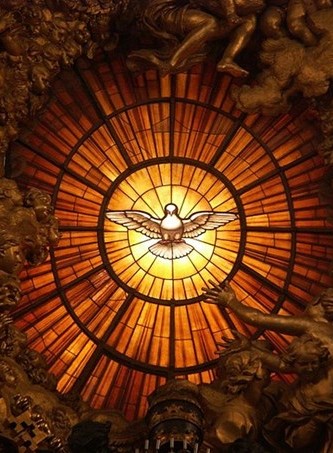
The Holy Spirit is the third person of the Christian Trinity—co-equal and co-eternal with God the Father and Jesus Christ the Son. As the active, invisible presence of God, the Spirit empowers believers, acts as a comforter/helper, inspires scripture, and guides individuals toward truth.
History
Pope Francis recalled the words of St Augustine, who compared the Holy Spirit to the soul of the Church, saying, "how the soul is of the body of man, so the Holy Spirit is of the body of Chr…
Immaculate Heart of Mary
Immaculate Heart of Mary (1917)
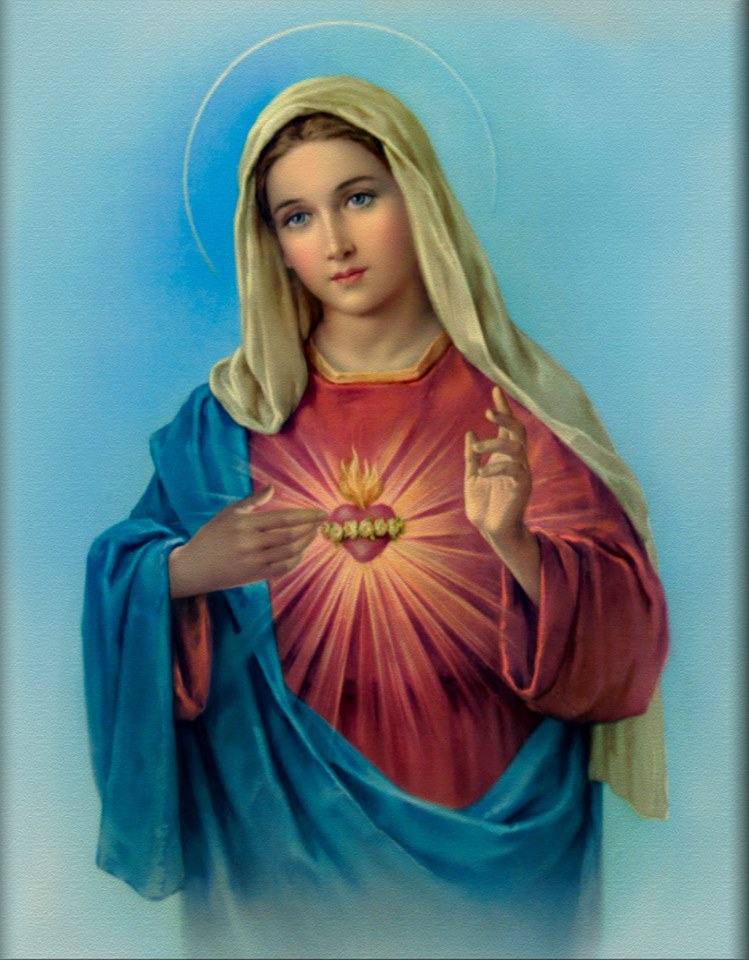
The Immaculate Heart of Mary is a devotional symbol representing the interior life, virtues, joys, sorrows, and, specifically, the pure, virginal love of the Blessed Virgin Mary for God and her maternal compassion for humanity. It symbolizes her total dedication to salvation history.
Origin
"In the end, my Immaculate Heart will triumph!" These were the words of Our Lady to the over 100 years ago, words that give hope in the midst of the clamour of wars.
The message of Fatima d…
Our Lady of Aparecida
Our Lady of Aparecida (1717)
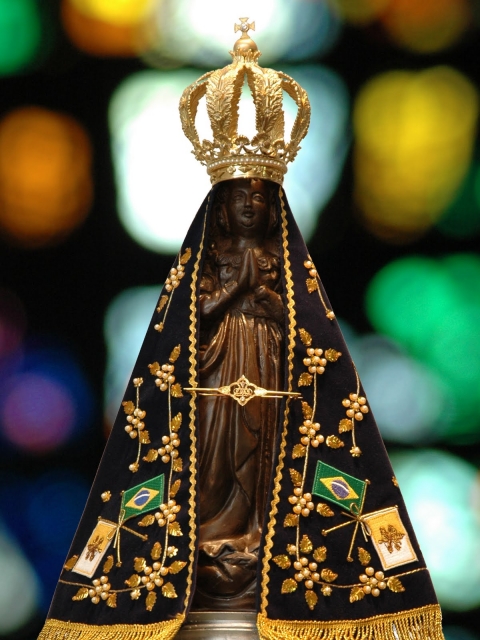
The month of October is traditionally dedicated to the Blessed Virgin Mary; it is also the month during which we mark another festivity dedicated to Mary Mother of God: Our Lady of Aparecida, Patroness of Brazil, whose feast day is celebrated on October 12th.
Origin
Early on the morning of October 12, 1717, three Brazilian fishermen set out on the waters of the Paraiba River, which ran through their village. They were charged with providing the fish for the banquet that would be he…
Our Lady of Fatima
Our Lady of Fatima (1917)
Our Lady of Fatima is a title for the Blessed Virgin Mary, who reportedly appeared six times to three shepherd children—Lúcia dos Santos and her cousins Francisco and Jacinta Marto—between May 13 and October 13, 1917, in Cova da Iria, Fátima, Portugal. She delivered messages of prayer, peace, and repentance during World War I and allegedly revealed three secrets, culminating in the "Miracle of the Sun" witnessed by thousands.
Origin
It was May 13, 1917, when Our Lady appeared to thr…
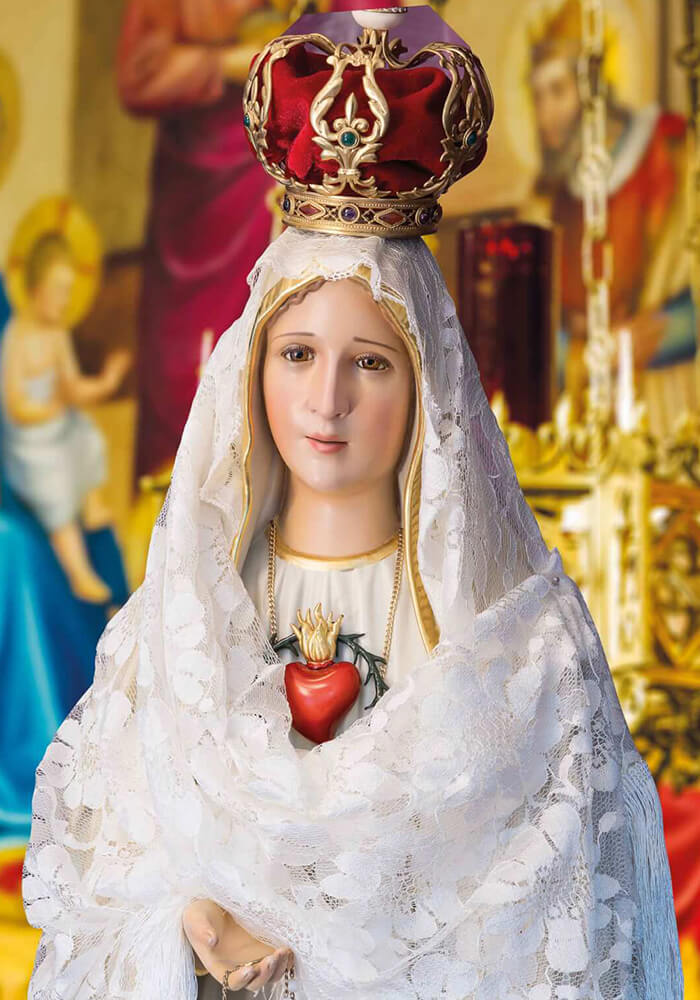
Our Lady of Guadalupe
Our Lady of Guadalupe (1531)
Invoked as Star of the Evangelization of Peoples, comforter of indigenous people and the poor, the faithful humbly implore her help on the Tepeyac Hill in Mexico. She is Our Lady of Guadalupe, often called the "great missionary" who brought the Gospel to the Americas.
Origin
In 1531, the Blessed Virgin Mary appeared to Juan Diego, an Aztec who converted to Christianity. At that time Mexico was shaken by violence and continuous violations of human rights and dignity. Indigenous peo…
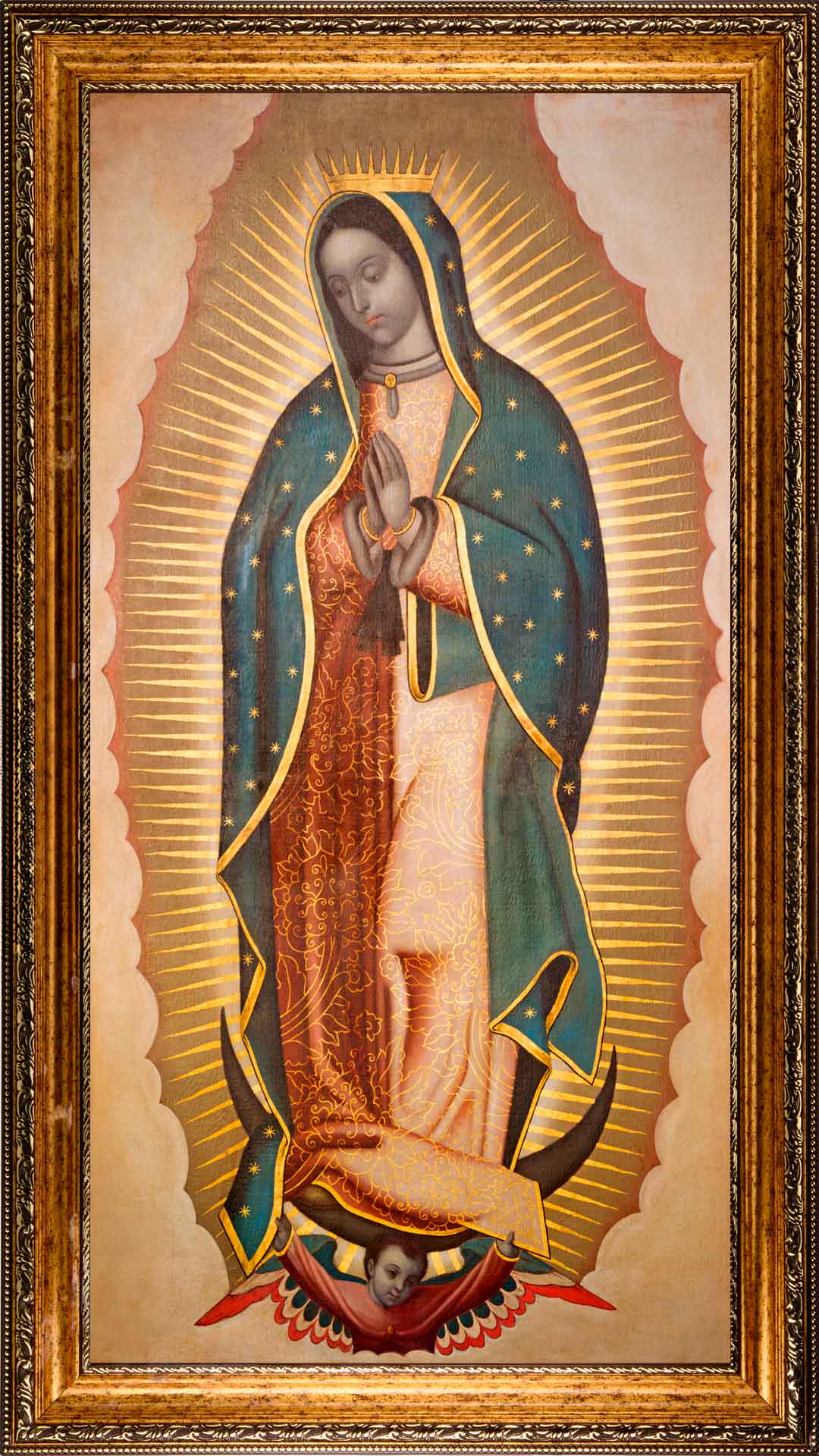
Our Lady of Lourdes
Our Lady of Lourdes (1858)
Our Lady of Lourdes is a title for the Blessed Virgin Mary, honoring 18 appearances to 14-year-old peasant girl Saint Bernadette Soubirous in a cave in Lourdes, France, in 1858. Appearing as a young lady in white, she called for prayer and penance, instructed Bernadette to dig for a healing spring, and identified herself as "the Immaculate Conception".
Origin
The liturgical memorial recalls the apparitions of the Virgin Mary in Lourdes which began on 11 February 1858. The protagonis…
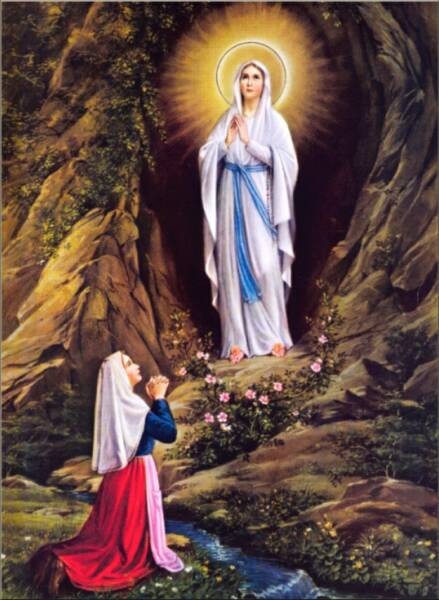
Our Lady of Mount Carmel
Our Lady of Mount Carmel (1251)
Our Lady of Mount Carmel is a prominent title for the Blessed Virgin Mary, honoring her as the patroness of the Carmelite Order, which originated on Mount Carmel in the Holy Land during the 12th century. She is associated with the brown scapular, a symbol of protection, given to St. Simon Stock in 1251.
Origin
The liturgical feast of Our Lady of Mount Carmel was established to commemorate her apparition on July 16, 1251 to Saint Simon Stock, then Prior General of the Carmelite Order.…
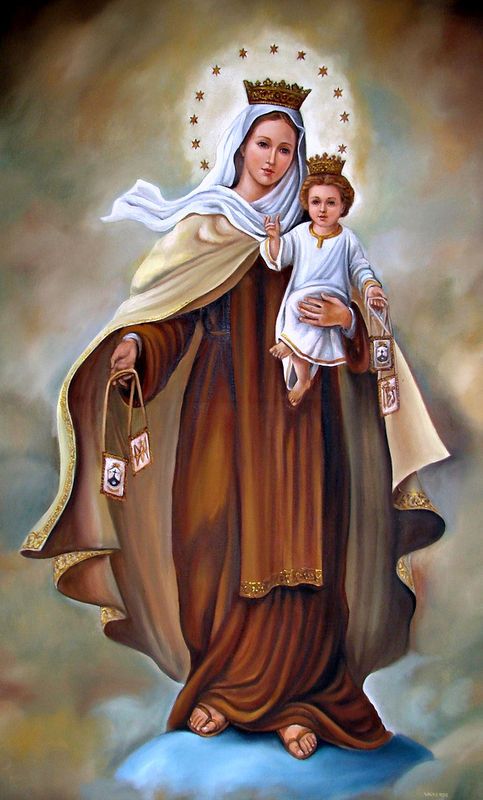
Our Lady of the Immaculate Conception
Immaculate Conception (1854)
The Immaculate Conception refers to the Catholic dogma that the Virgin Mary, mother of Jesus, was conceived without original sin, meaning she was preserved from any stain of sin from the very first moment of her existence in her mother's womb, uniquely prepared to bear God. It is a special grace from God, anticipating Christ's redemption, and is celebrated by Catholics on December 8th as a holy day.
Origin
The historical roots tied to this feast lead back to the 19th century. 171 ye…
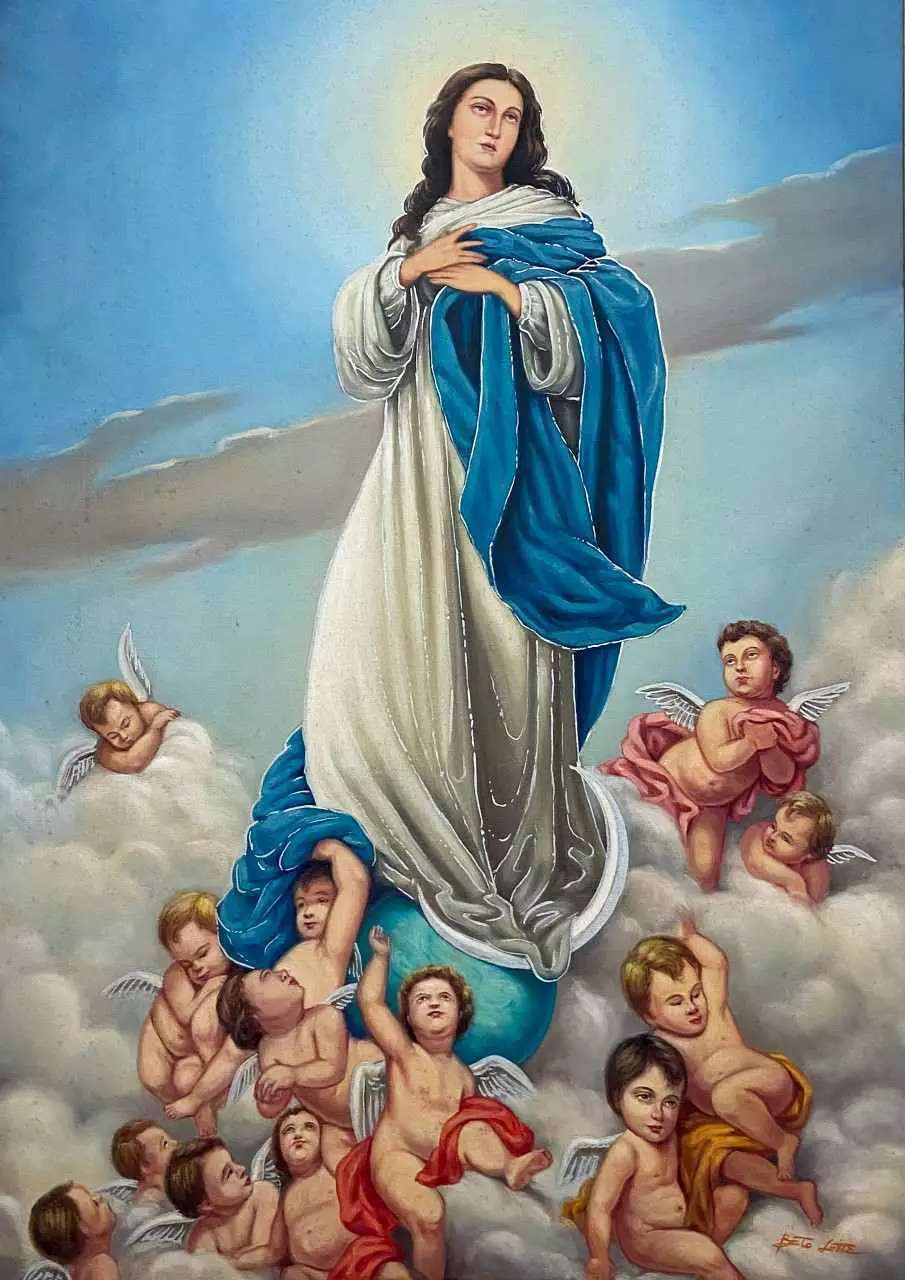
Our Lady of the Rosary
Our Lady of the Rosary (1212)
Our Lady of the Rosary is a title for the Virgin Mary, stemming from a 13th-century apparition to St. Dominic and solidified by the 1571 Battle of Lepanto. Pope Pius V established the feast (Oct. 7) to honor her intercession, which secured a crucial victory attributed to praying the rosary. She is celebrated as a, protector and source of grace through this specific prayer.
Origin
The Holy Rosary originated in 1212 when Saint Dominic de Guzman saw the Virgin Mary who gave him the Ros…
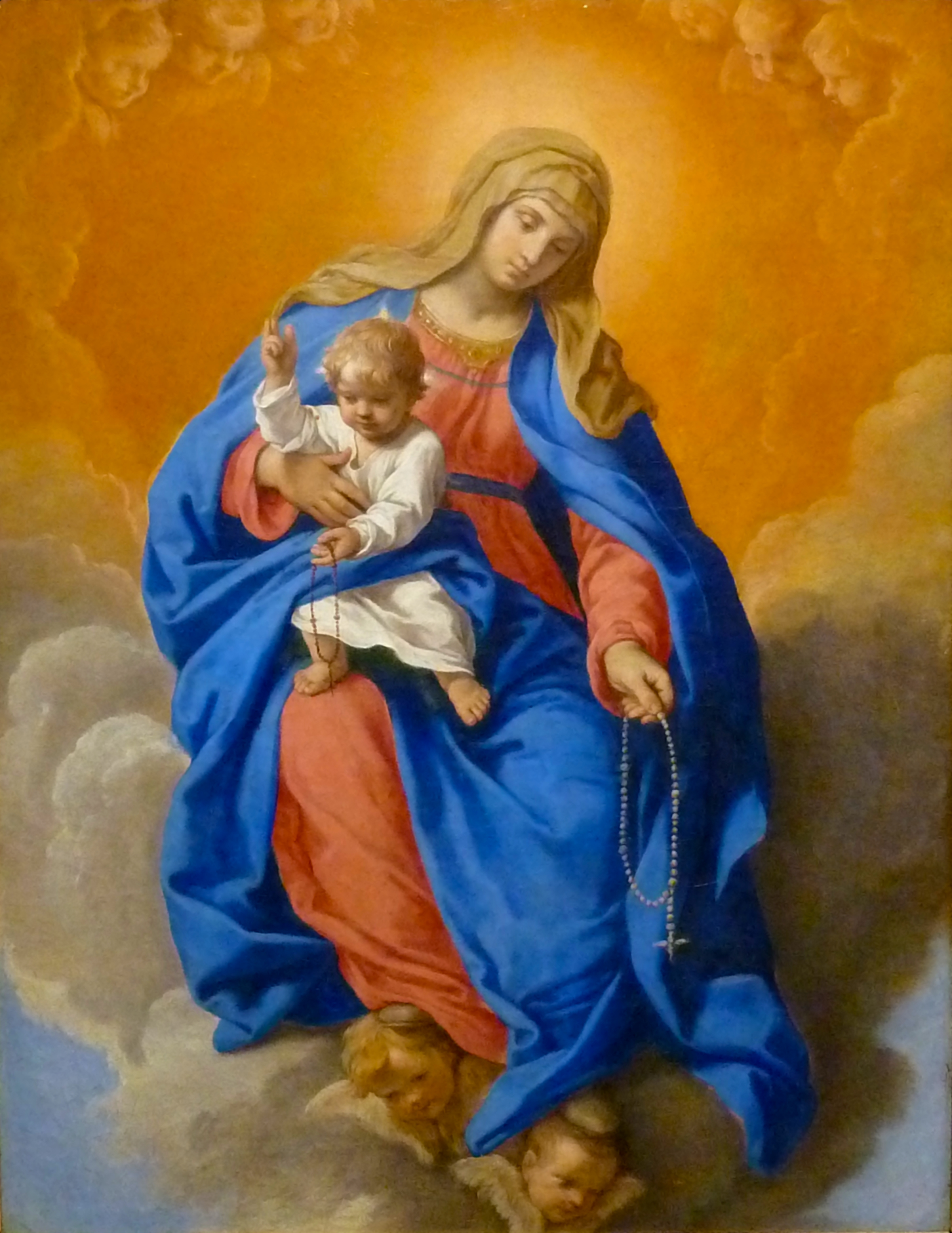
Sacred Heart of Jesus
Most Sacred Heart of Jesus (1672)
The Solemnity of the Most Sacred Heart of Jesus – also the World Day of Prayer for the Sanctification of Priests – is celebrated on the Friday after the Solemnity of Corpus Christi. This suggests to us that the Eucharist (Corpus Christi) is none other than the Heart of Jesus himself, of the One who “takes care of us” with his “heart”.
Origin
On 20 October 1672, Father Giovanni Eudes, a priest from Normandy, celebrated this feast for the first time. But there had already been several …
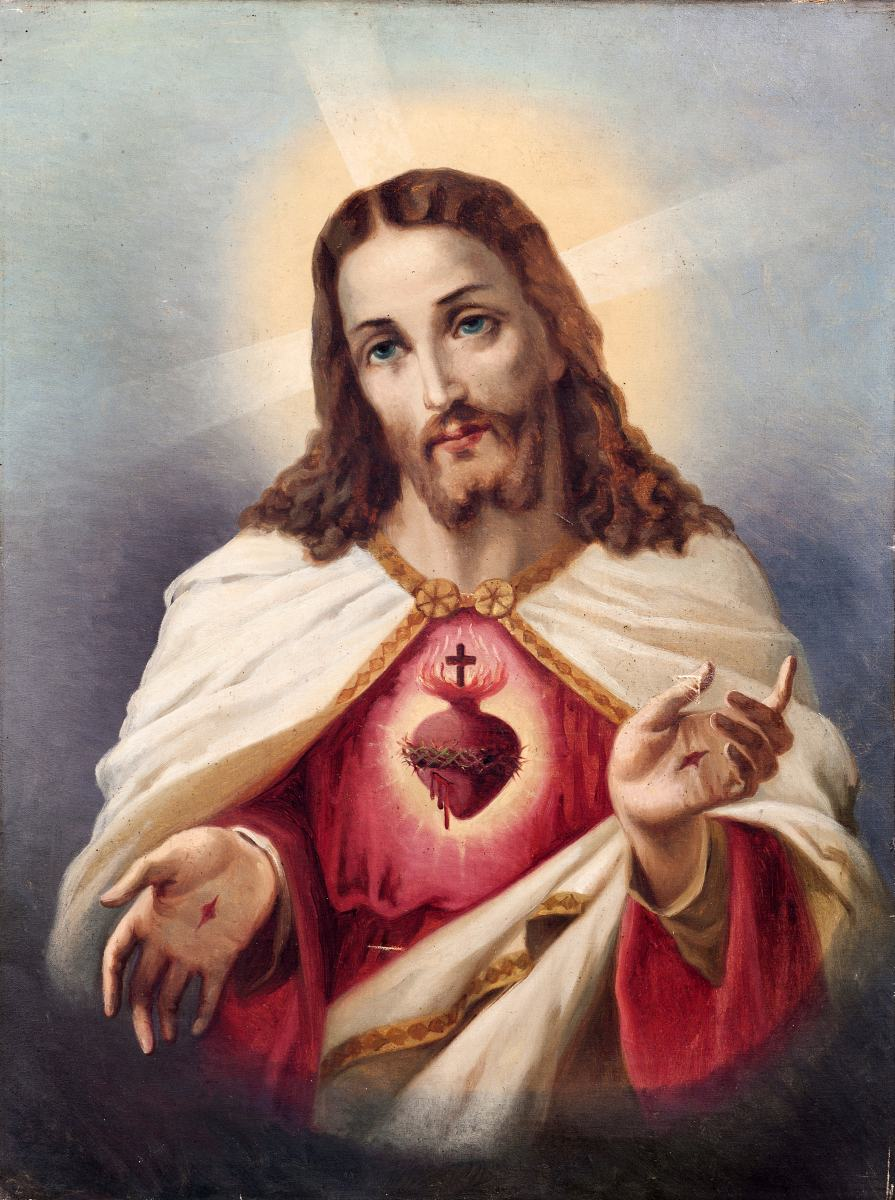
Saint Agatha
Saint Agatha (3rd century - 251)
Saint Agatha‘s is one of the most beautiful testimonies of faith in the early certuries. The Church celebrates her memory on February 5, the day she died a martyr in Catania. The impetuous young Sicilian, subjected to horrible torture, proved a brave fidelity to Christ.
Personal Life
In the Sicily of the 3rd century, the story of Agatha descends between Catania and Palermo, the two cities that contend the honor of being the martyr’s birthplace. Reading her Passio, it seems it can b…
Saint Ambrose
Saint Ambrose (340-397)
Among the great holy Doctors of the Western Church, Ambrose was Bishop of Milan, a writer of hymns, initiator of Mariology. He embodies the ideal of the pastor. Remembered by the Church on 7 December, he was the author of famous liturgical texts and inflexible against heresy.
Personal Life
These were times of lacerating social divisions. On 7 December 374 in a church in Milan the discussion had become animated. The thorny question of the naming of a new bishop of the city, capital …
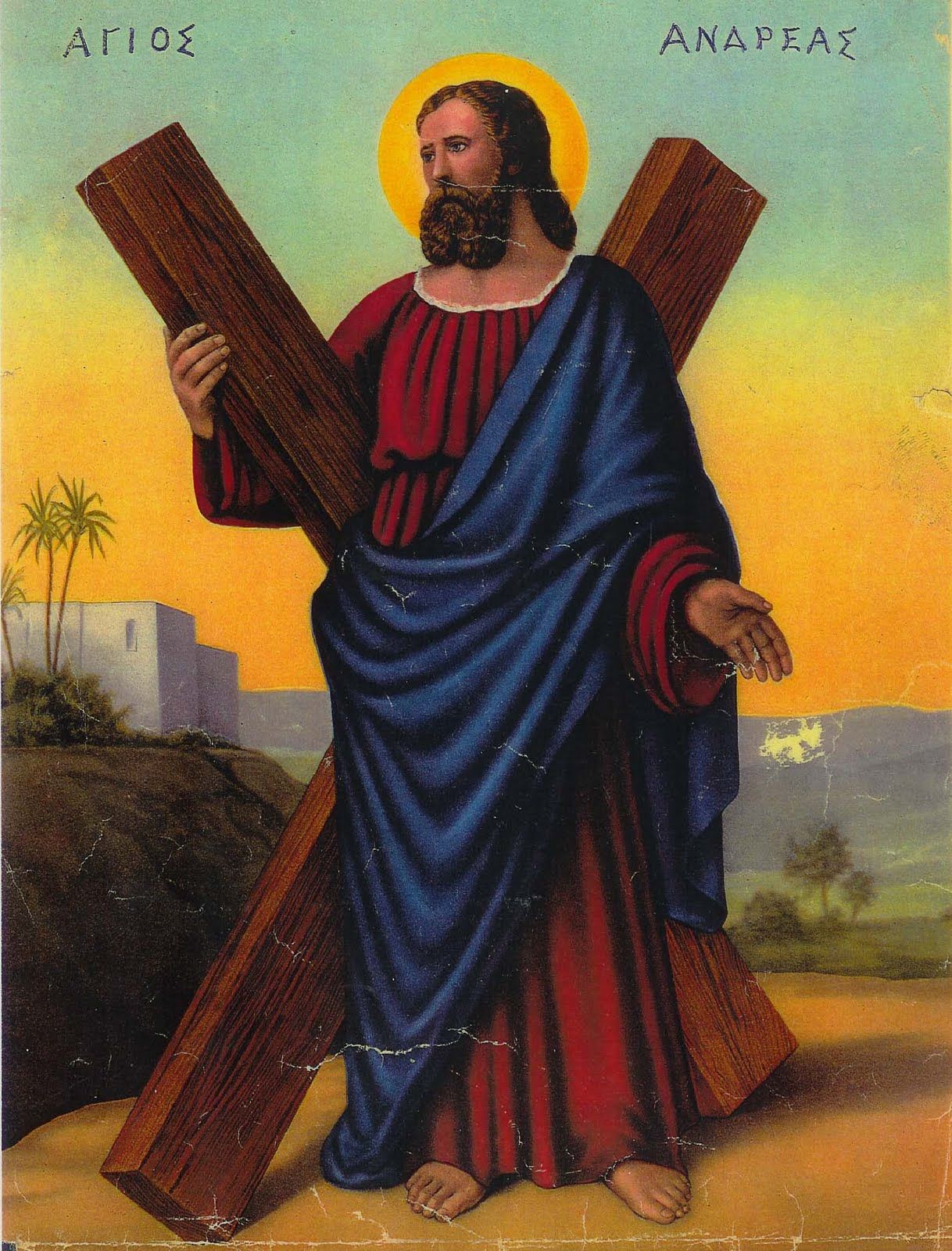
Saint Andrew
Saint Andrew (1st century AD)
Remembered on 30 November each year, Andrew the Apostle is Patron Saint of the Church of Constantinople. The brother of Saint Peter, he was the first apostle to be called by Jesus and to have been martyred on a diagonal cross. He is patron of fisherman.
Personal Life
“We have found the Messiah”, expresses the great joy of the apostle Andrew. Those are the words we find in John’s Gospel when Andrew rushes to meet his brother Simon Peter to tell him what he has discovered and to shar…
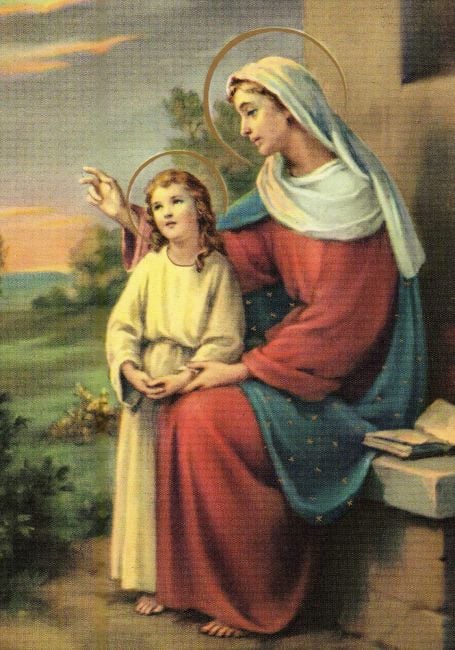
Saint Anne
Saint Anne (1st century BC)
Saint Anne is revered in Christian tradition, particularly in Catholic theology, as the mother of the Virgin Mary and the maternal grandmother of Jesus Christ. Although not mentioned in the Bible, her story comes from early apocryphal writings like the Protevangelium of James. She is considered the patron saint of mothers, grandmothers, and miners, with a feast day celebrated on July 26.
Personal Life
Saints Joachim (sometimes spelled "Joaquin," pronounced "wal-keem") and Anne, are …
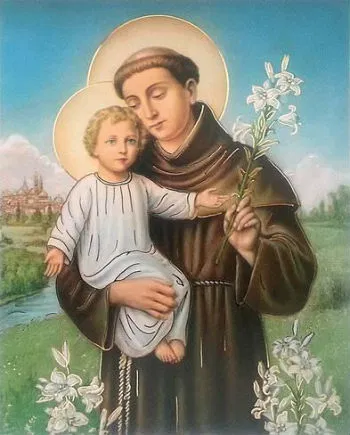
Saint Anthony
Saint Anthony (1195-1231)
A tireless preacher and confessor, Saint Anthony of Padua realized in his life a perfect balance and synthesis of hands-on pastoral work and retreat into intense spiritual solitude, love of neighbor and love for God. His memory is kept on June 13.
Personal Life
Born into a noble family at Lisbon, Portugal, in 1195 (on August 15, it is believed), and baptized Fernando, the man we would come to know as St. Anthony was 15 years old when he entered the Canons Regular of St. Augustine. H…
Saint Athanasius
Saint Athanasius (296-373)
Saint Athanasius of Alexandria (c. 296–373) was a 4th-century bishop, theologian, and Doctor of the Church, renowned as the "Father of Orthodoxy" for his staunch defense of the Trinity and Christ's divinity against Arianism. As Patriarch of Alexandria, he championed the Nicene Creed, enduring five exiles to uphold true faith.
Personal Life
A lone bishop against all, including the Emperor, in the defense of the Niceo-Constantinopolitan Creed, commonly called the Nicene Creed, fearless…
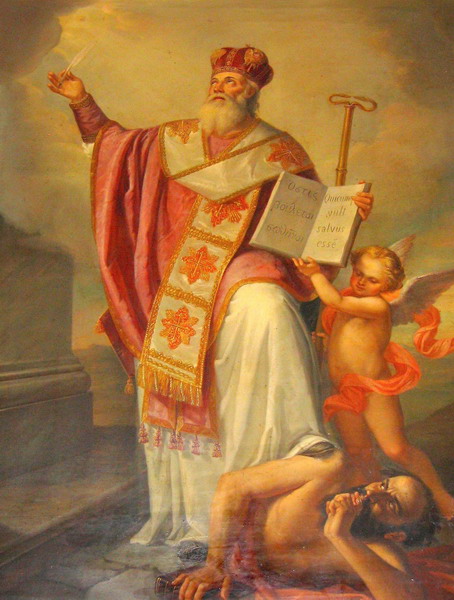
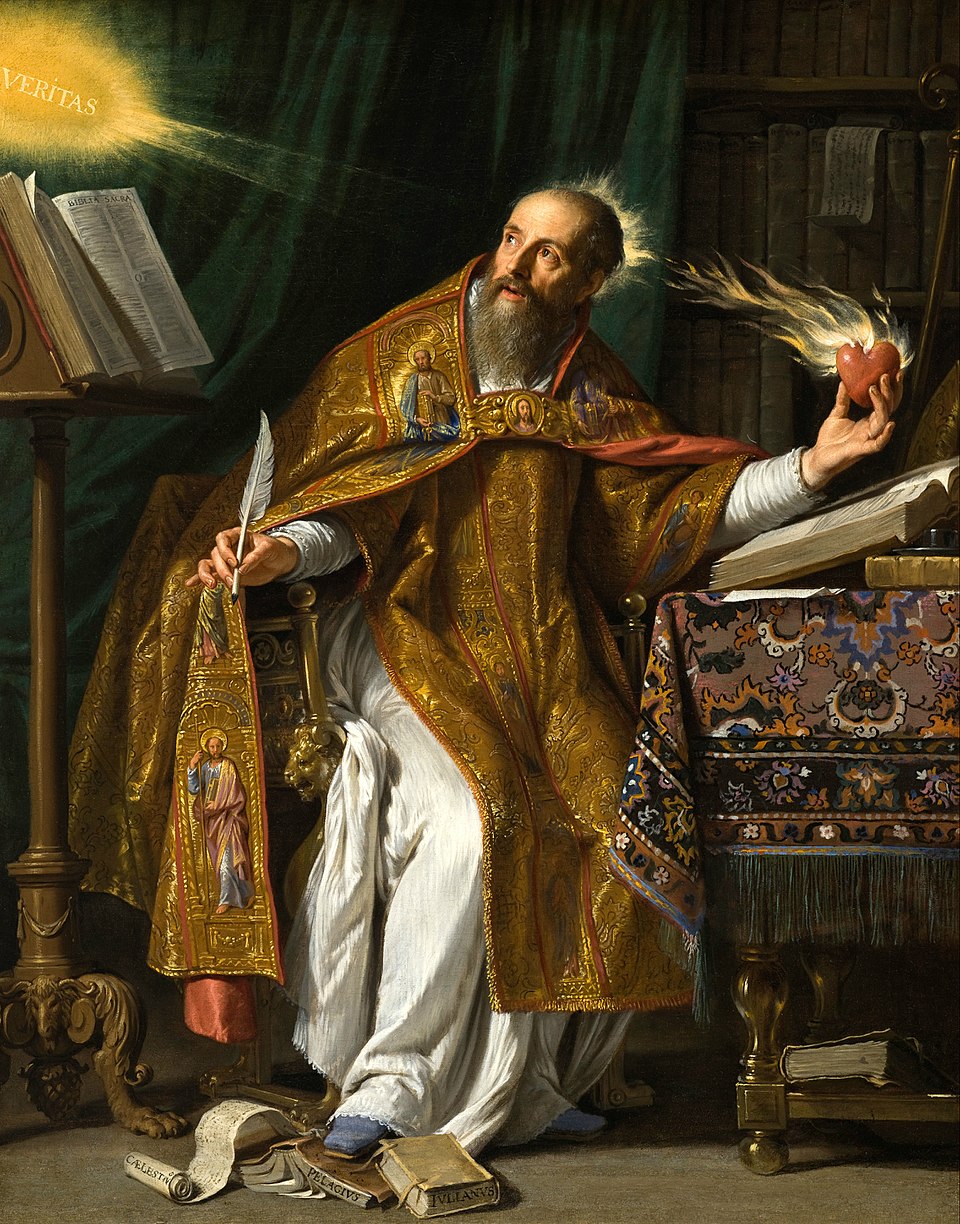
Saint Augustine
Saint Augustine (354-430)
St. Augustine of Hippo, Bishop and Doctor of the Church, was an indefatigable truth-seeker. The author of hundreds of books, tracts, treatises and letters. He was born in Thagaste on November 13, AD 354, and died in the city of Hippo (present-day Annaba in Algeria), on August 28, AD 430.
Personal Life
Augustine’s mother, St. Monica, reared him in the Catholic faith, but he did not follow her example. A lively, witty and exuberant teenager, Augustine undertook the study of rhetoric,…
Saint Benedict
Saint Benedict (480-547)
Born in the central Italian mountain town of Norcia (Nursia) around AD 480, St. Benedict became one of the most important catalysts for the creation of a new European culture after the fall of the Roman Empire in the West (traditionally dated to AD 476). The system of monastic life he developed and nourished spread centers of prayer and hospitality throughout the continent. Benedictine monasteries were not only spiritual and cultural centers, but also a source of sustenance and relief for pilgr…
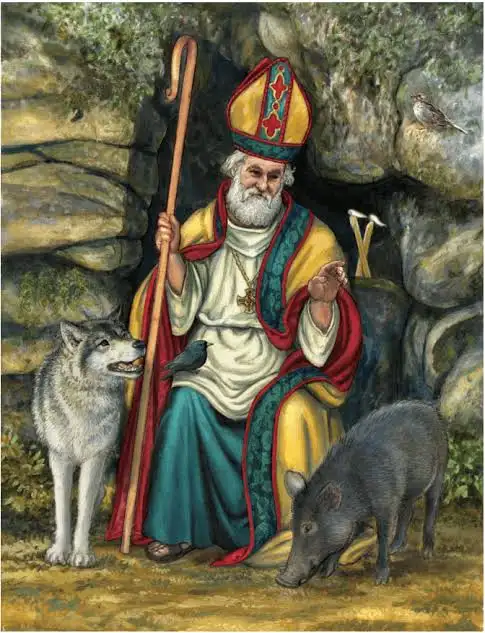
Saint Blaise
Saint Blaise (3rd century AD - 316 AD)
A physician in Armenia who was made a bishop, he is attributed with many miracles. One of these involved the miraculous removal of a fish bone from a young boy’s throat – which is why he is considered protector from throat diseases. After refusing to deny the Faith, he was beheaded in 316.
Personal Life
Saint Blaise was the bishop of Sebastea and a doctor. The first known record of the saint's life comes from the medical writings of Aëtius Amidenus, where he is recorded as helping …
Saint Carlo Acutis
Saint Carlo Acutis (1991-2006)
Carlo Acutis, the 15-year old web designer who is set to become the first “millenial” saint. Born in 1991, Carlo Acutis was noted for his devotion to Eucharistic miracles and Marian apparitions, cataloguing both on a website he designed prior to his death in 2006 due to leukemia. His relics can be visited in Assisi, famous as the home of St Francis, to whom Saint Carlo had a deep devotion.
Personal Life
He loved playing soccer, video games, and had a sweet tooth. Carlo couldn't say "…

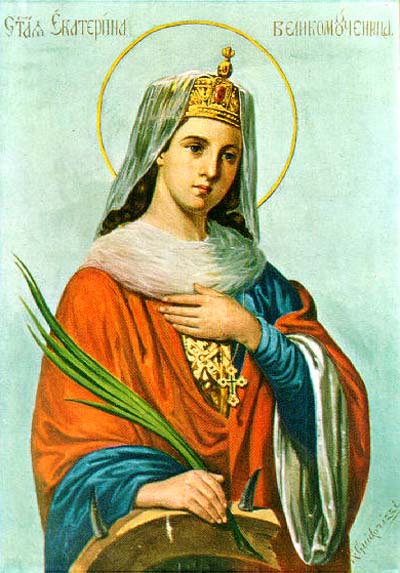
Saint Catherine of Alexandria
Saint Catherine of Alexandria (287-305)
Fifty pagan philosophers are said to have debated with St Catherine, hoping to convince her to abjure her faith. Instead, Catherine converted them to Christianity. Furious, the Emperor ordered her to be put to death on a spiked wheel; but the wheel broke. Eventually, she was martyred by beheading.
Personal Life
According to tradition, Catherine was a young woman of noble birth from Alexandria in Egypt, known for her beauty and high level of learning.
Around the year 305, during…
Saint Catherine of Siena
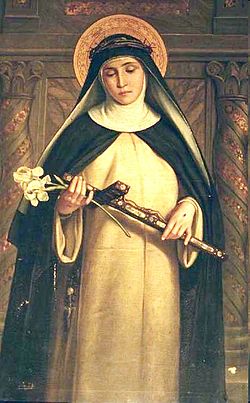
Saint Catherine of Siena (1347-1380)
St. Catherine of Siena (1347–1380) was an Italian mystic, activist, and Dominican tertiary who significantly influenced 14th-century politics and the Catholic Church, despite lacking formal education. Recognized as a Doctor of the Church, she is renowned for her profound theological writings, such as The Dialogue of Divine Providence, and her successful persuasion of Pope Gregory XI to return the papacy to Rome from Avignon.
Personal Life
A woman consumed with love and fidelity for t…
Saint Christopher
Saint Christopher (3rd century - 251)
St Christopher was martyred during the persecution of the Roman Emperor, Trajan Decius. His name means Christ-bearer and his feast-day is celebrated on July 25th.
Personal Life
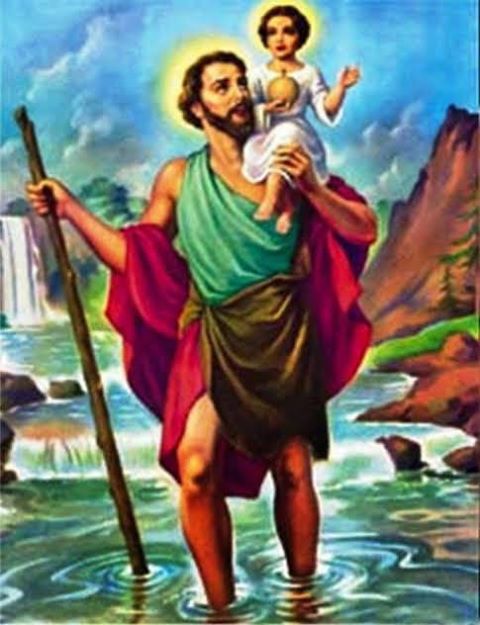
The most popular image of St. Christopher depicts him as a huge, bearded man, carrying the Christ-Child on his shoulders as he wades across a river. The Child Jesus is holding the world in His hands like a ball. This image dates back to one of the most famous biographies of those who were martyred on July 25…
Saint Denis
Saint Denis (3rd century)
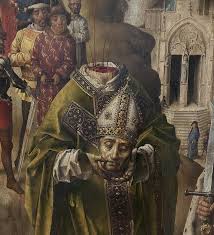
Saint Denis (3rd century) was a Christian martyr and the first Bishop of Paris, sent from Italy to convert Gaul. He was beheaded on Montmartre around 250-270 AD under Roman persecution, alongside his companions Rusticus and Eleutherius. Legend holds he walked several miles holding his head while preaching.
Personal Life
Bishop of Paris, and martyr. Born in Italy, nothing is definitely known of the time or place, or of his early life. His feast is kept on 9 October. He is usually repr…
Saint Dismas
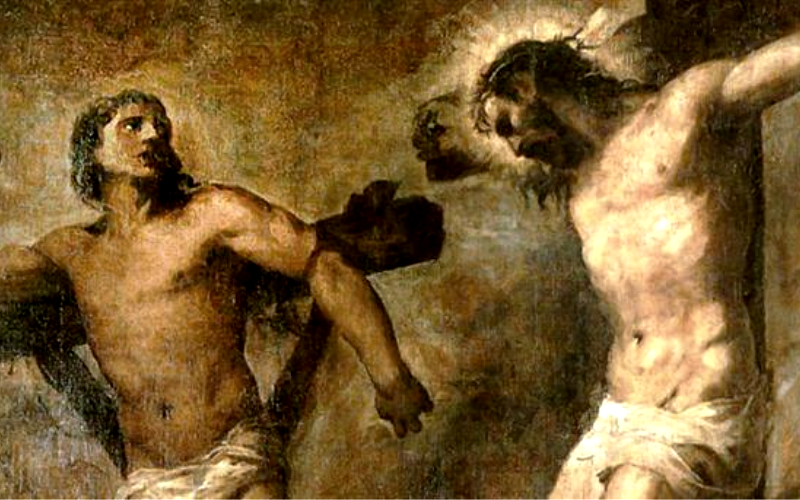
Saint Dismas, the penitent thief
St. Dismas, traditionally known as the "Good Thief," was one of the two criminals crucified alongside Jesus Christ. According to the Gospel of Luke, he repented for his crimes and asked Jesus to remember him, prompting Jesus to promise him: "Truly I say to you, today you will be with me in Paradise".
Personal Life
St. Dismas is remembered in the Gospel as the "Good Thief," the criminal crucified beside Jesus on Calvary. In his final moments, he performed one of the most powerful acts…
Saint Expeditus
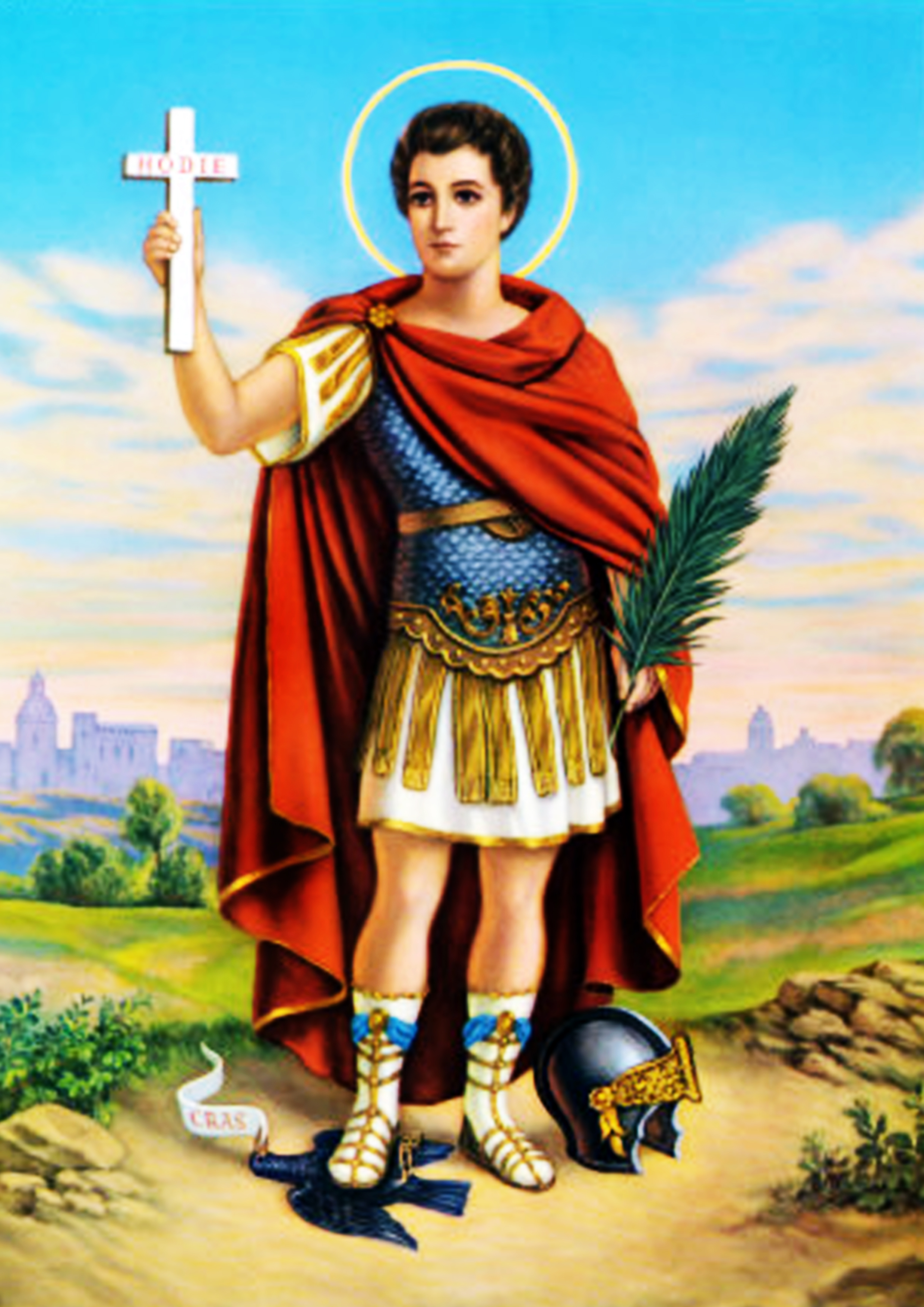
Saint Expeditus (3rd century - 4th century)
Expeditus is believed to have been martyred in Melitene in the 4th century; but beyond that, not much is known about him. He is typically represented in military garments, while stepping on a crow crying out “tomorrow,” and a cross or a clock with the word “today.” He is the patron of urgent causes.
Personal Life
St. Expeditus, also known as Expedite, was a Roman centurion martyred for his faith during the Diocletianic Persecution around April 303. Stationed in Melitene, in what is…
Saint Francis of Assisi
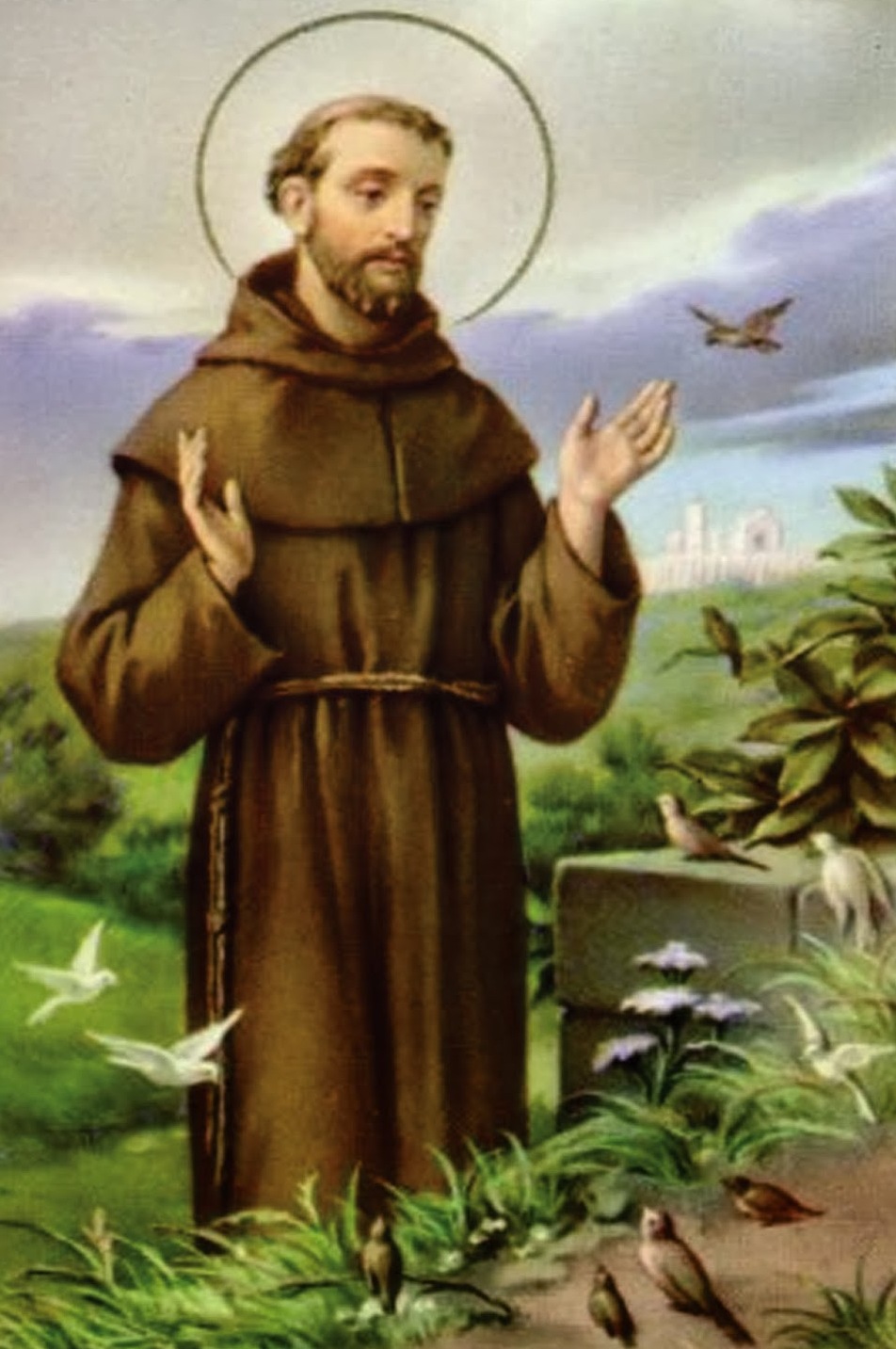
Saint Francis of Assisi (1182-1226)
He’s among the most loved Saints, remembered on 4 October. For over 800 years, Saint Francis of Assisi has been a beacon for the Church through his witness to the Gospel, earning him the name “alter Christus”, a living icon of Christ, his choice to live in poverty in order to encounter the Lord.
Personal Life
Small in stature and having an extroverted personality, Francis always had in his heart the desire to do great things. He demonstrated this in his 20s when he left for the war …
Saint Gabriel the Archangel
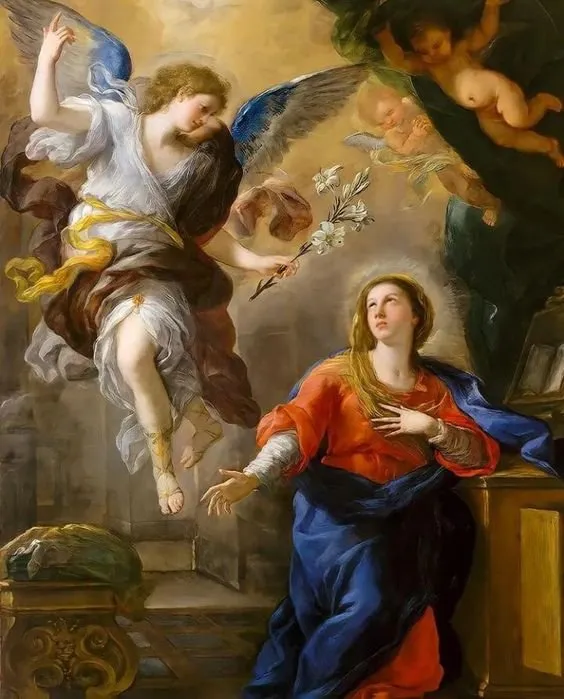
Saint Gabriel the Archangel
Archangel Gabriel “is the one who brings the good news, the one who brought the news to Mary, Zachariah and Joseph”, Pope Francis explained. He is therefore the messenger of the “good news of salvation”. He too is “with us and helps us along our journey”, especially when, as often happens, “with so much bad news or news with no substance, we forget the good news, the one of the Gospel”. It is “Gabriel himself who reminds us of this”, he added.
History
The New Testament mentions Archa…
Saint George
Saint George (280-303)
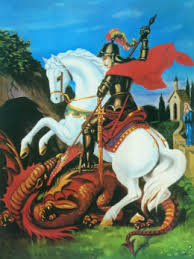
Few saints can boast a cult as widespread and popular as that of St George, knight and martyr of Christ, who lived between the third and fourth centuries. He is patron of many churches, as well as many countries and regions of the world. Both East and West keep his feast on April 23.
Personal Life
George, whose name in Greek means “farmer,” was born to a Christian family in Cappadocia around the year 280. After moving to Palestine, he joined the army of Diocletian. When the emperor…
Saint Gregory the Great
Pope Gregory I (540-604)
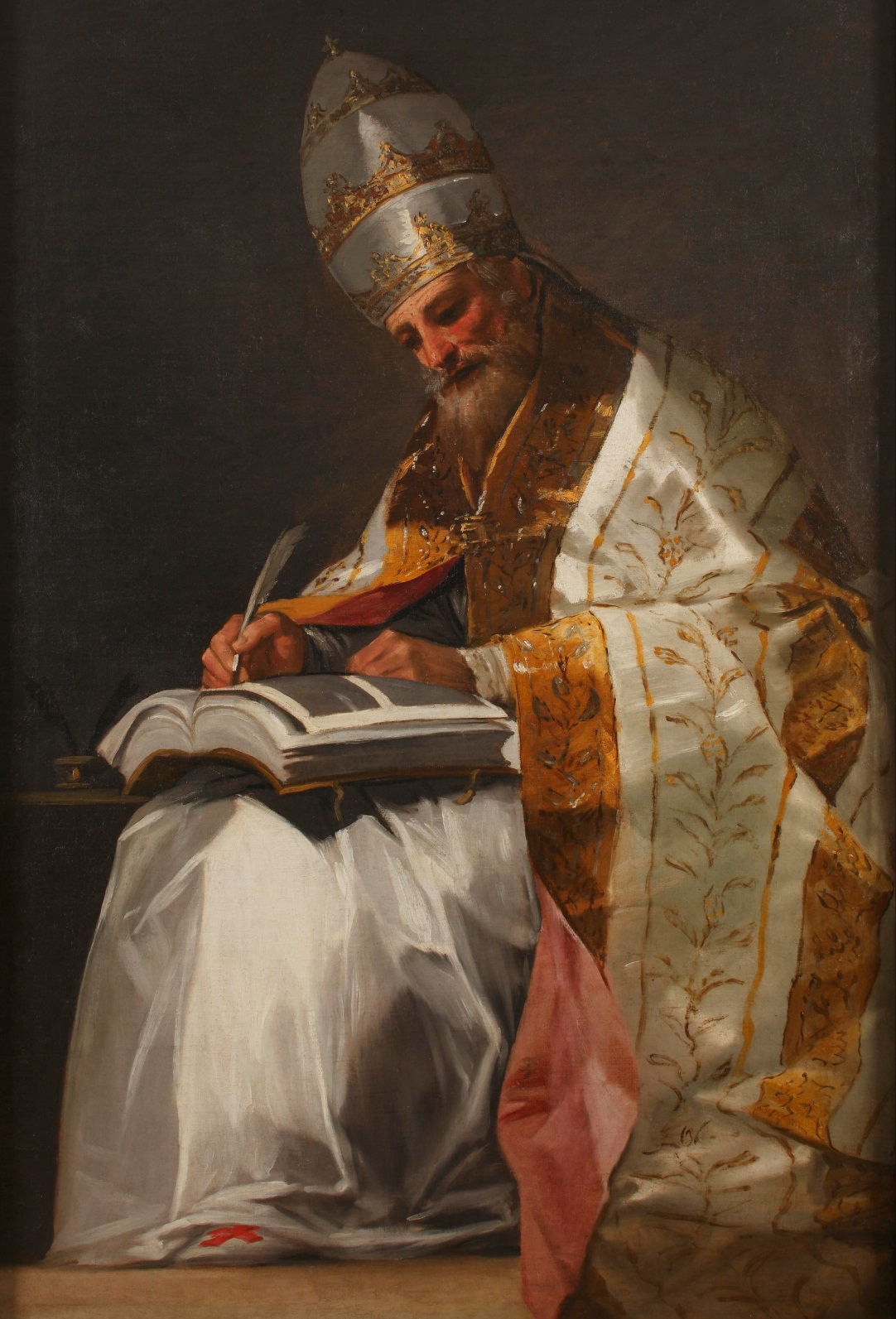
Gregory left his office as prefect of Rome to become a monk, only to be elected Pope in the midst of famine and plague. This Pope, who was declared a saint and “the Great” by popular acclaim, is one of the four great Latin doctors of the Church. His feast day is September 3.
Personal Life
Gregory was born around 540 A.D. into worldly prestige – his family belonged to the Roman nobility and his father was prefect, or mayor, of the city. He was also heir to a Christianity profoundly …
Saint James the Great
Saint James the Great (1st century AD)
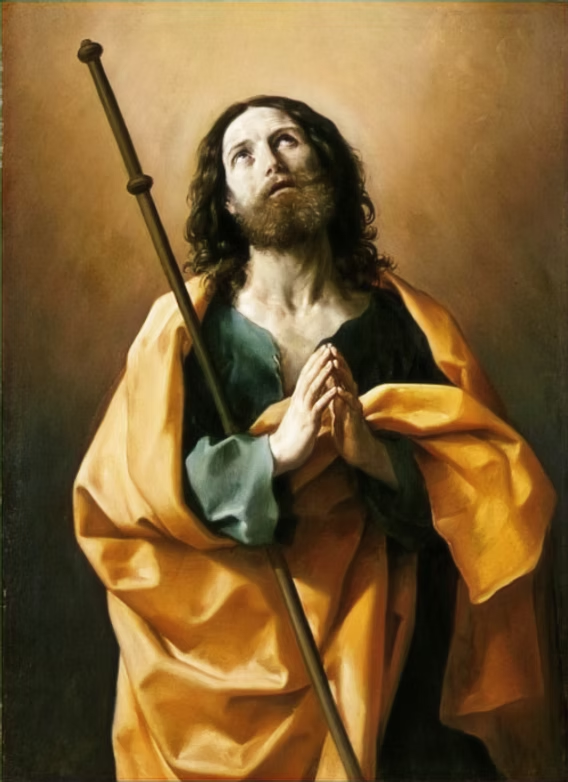
St. James the Greater was one of the Twelve Apostles of Jesus, often recognized as part of his inner circle, alongside his brother John and Peter. A Galilean fisherman, he witnessed major events like the Transfiguration and was the first apostle to be martyred, beheaded in 44 AD by King Herod Agrippa I.
Personal Life
The name "James" is the translation of Iakobos, the Graecised form of the name of the famous Patriarch, Jacob. The Apostle of this name was the brother of John and in th…
Saint Joachim
Saint Joachim (1st century BC)
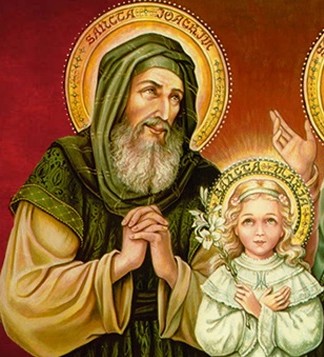
St. Joachim was, according to Christian tradition, the husband of Saint Anne and the father of the Virgin Mary, making him the grandfather of Jesus Christ. He was a wealthy and devout man from Nazareth who, despite facing societal disgrace for being childless, was blessed in his old age with the birth of Mary. His feast day is July 26, shared with St. Anne.
Personal Life
Saints Joachim (sometimes spelled "Joaquin," pronounced "wal-keem") and Anne, are the parents of the Virgin Mary.…
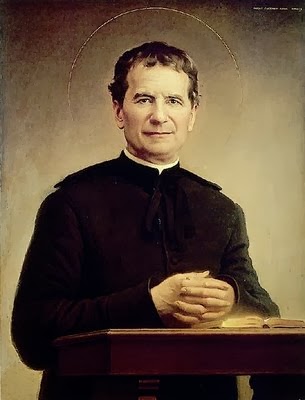
Saint John Bosco
Saint John Bosco (1815-1888)
St. John Bosco (1815–1888), popularly known as Don Bosco, was an Italian Catholic priest, educator, and writer who dedicated his life to educating and providing for poor, abandoned youth in Turin, Italy. He developed a unique "Preventive System" of education based on love, reason, and religion rather than punishment. He founded the Salesians of Don Bosco to continue this mission.
Personal Life
John Bosco, also known as Giovanni Melchiorre Bosco and Don Bosco, was born in Becchi, Ita…
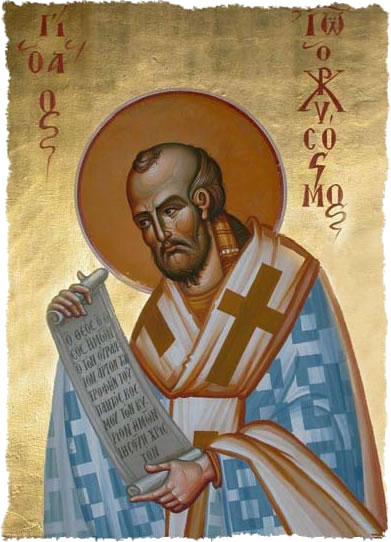
Saint John Chrysostom
Saint John Chrysostom (349-407)
John Chrysostom, or “golden-mouthed,” placed his gift with words at the service of the Word. He became the bishop of Constantinople, where his clear preaching earned him enemies. The great preacher, who died in exile, is one of the most prolific of the Fathers of the Church.
Personal Life
John was born in 347 in Antioch and was baptized there more than twenty years later. Under the pagan teacher Libanius, he learned rhetoric and Greek literature. He reportedly so impressed his teac…
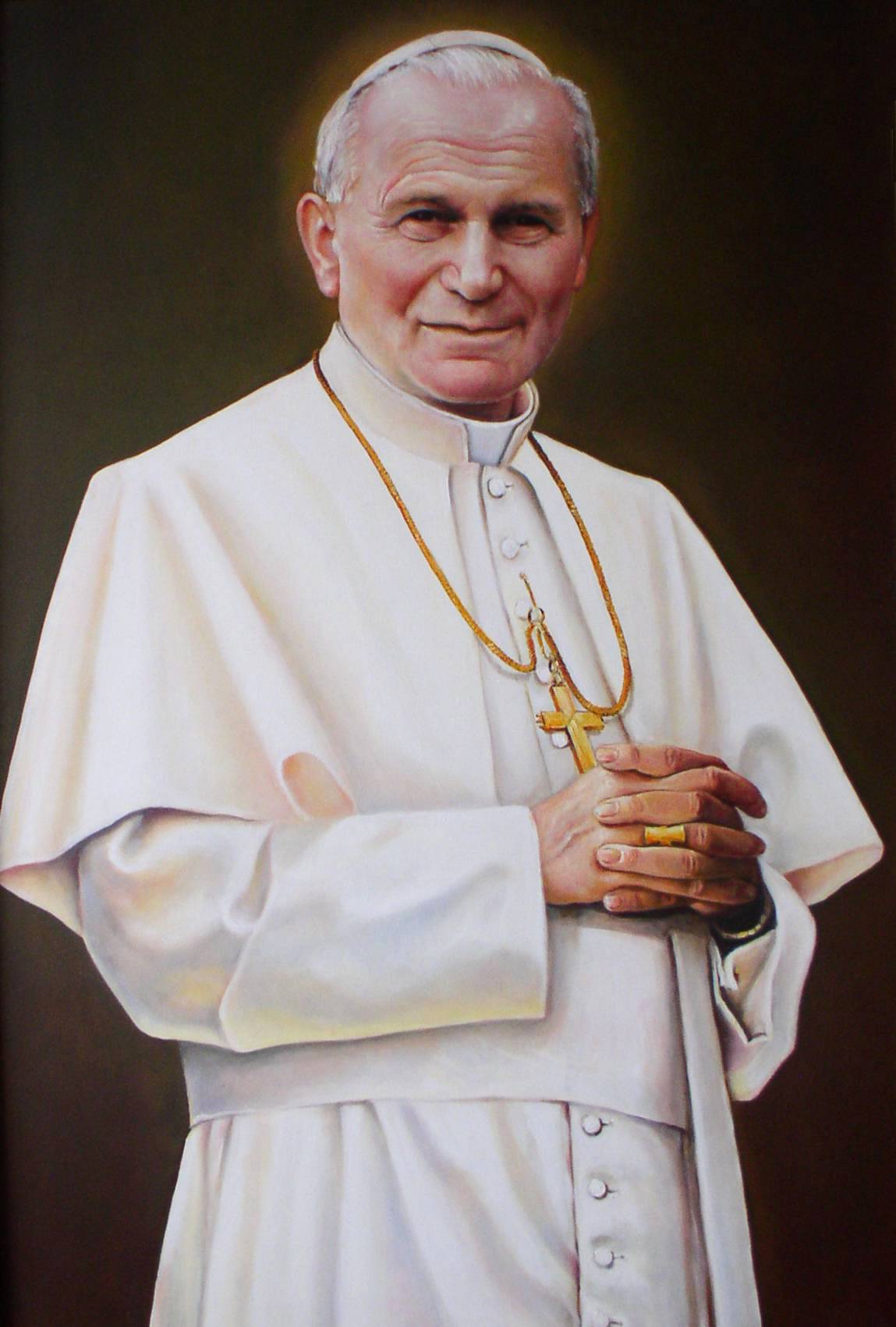
Saint John Paul II
Saint John Paul II (1920-2005)
This great Pope tirelessly proclaimed the love of Christ, the “Redeemer of man,” and shepherded the Church into the third Christian millennium. His feast day is celebrated on October 22, the anniversary of the inaugural Mass in 1978 at which he cried out to the world, “Be not afraid!”
Personal Life
Karol Wojtyła – “Lolek” to his family and friends – learned a great deal from suffering. The boy, born in 1920 in Wadowice, Poland, lost his mother when he was nine. When he was twelve, …
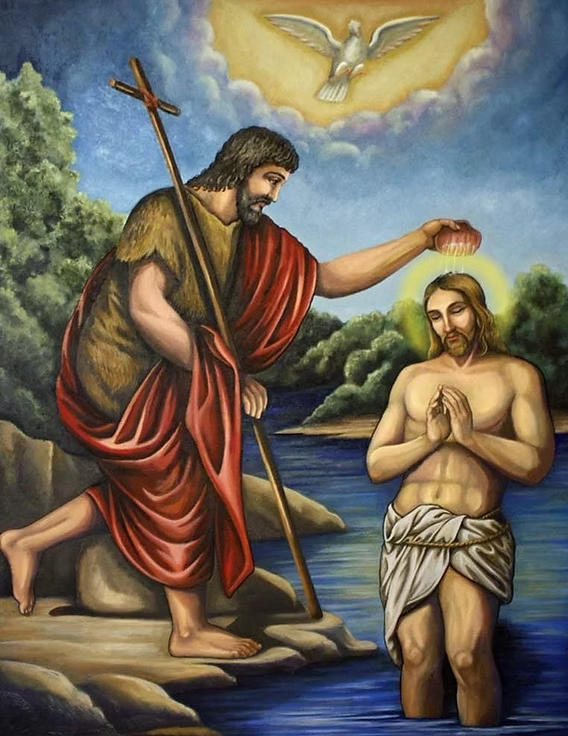
Saint John the Baptist
Saint John the Baptist (1 BC - 1st century AD)
Saint John the Baptist was a Jewish prophet, cousin and forerunner of Jesus Christ, known for baptizing Jesus in the Jordan River and preaching repentance for the forgiveness of sins, ultimately being beheaded by King Herod for his condemnation of the king's marriage to Herodias. He lived an ascetic life in the wilderness, wearing camel's hair and eating locusts, and directed his followers to Jesus, whom he called the "Lamb of God".
Personal Life
When the time arrived for Elizabeth …
Saint John the Evangelist
Saint John the Evangelist (1st century AD)
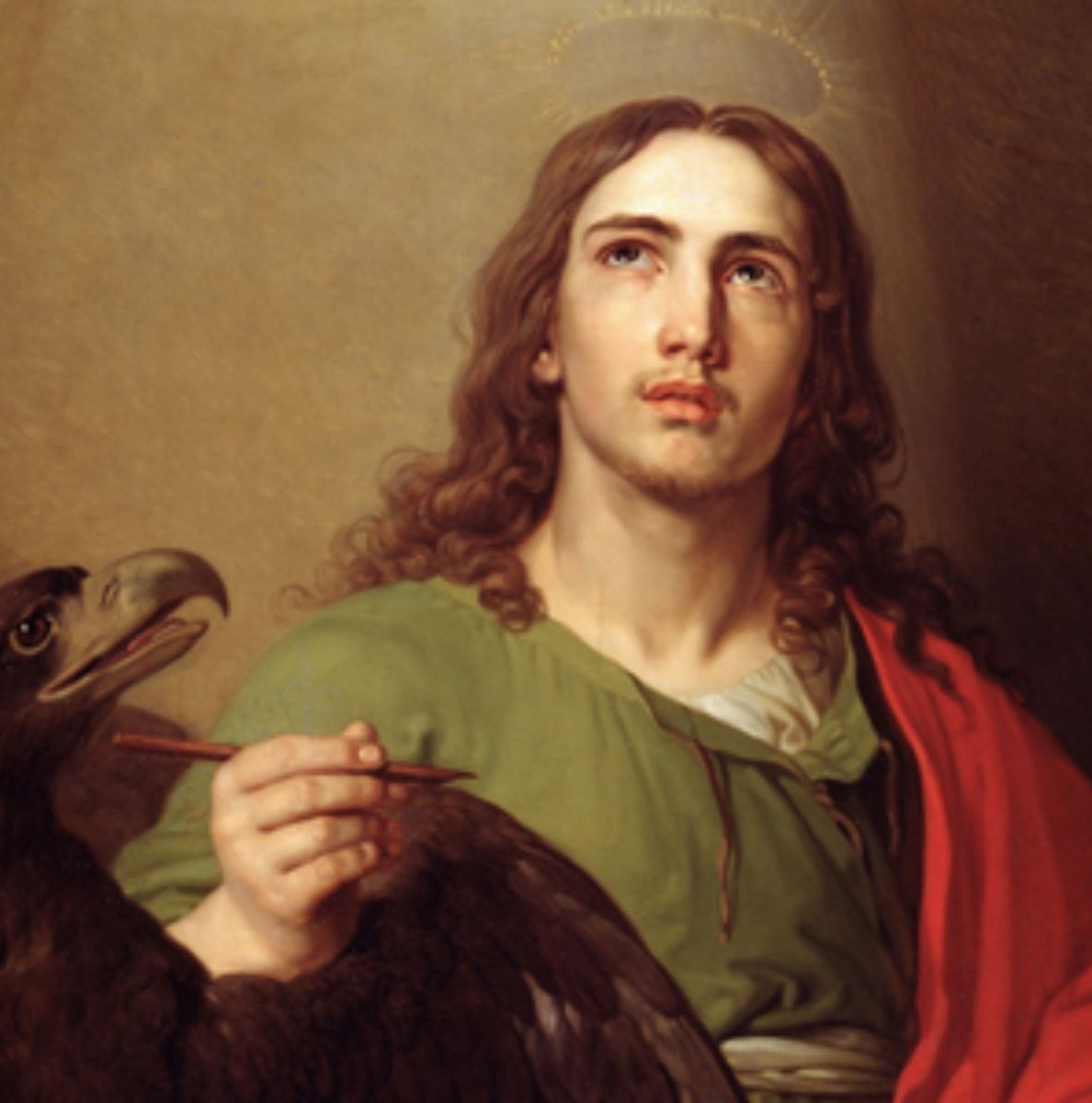
The “beloved disciple” was an impetuous fisherman who became a disciple of Jesus, the only one of the apostles not to be martyred. Tradition holds him to be the author not only of the fourth Gospel, but of the Johannine letters and the Book of Revelation.
Personal Life
When two young Jewish fishermen sat by the Sea of Galilee, mending their nets with their father, a man walked by and said, “Follow me.” Their response reveals the startled glimmer of recognition they must have had in…
Saint Joseph
Saint Joseph (1st century BC - 1st century AD)
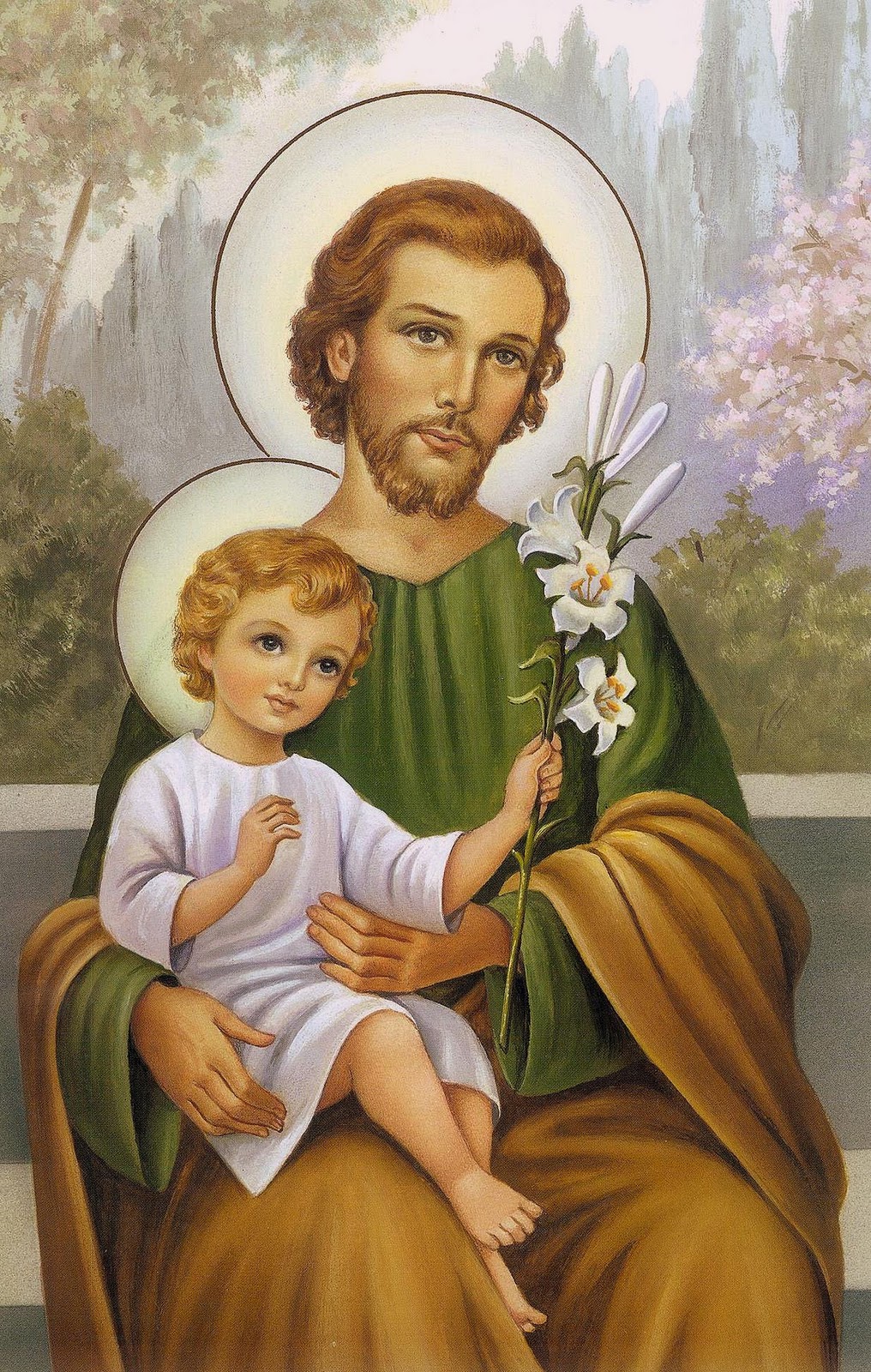
Jesus certainly loved St Joseph as a son loves his father. Which is why we celebrate St Joseph as Protector of Families and Patron Saint of Workers. That is also why St Joseph has two feast days: March 19th, as the Spouse of Mary, and May 1st, under the title of Joseph the Worker.
Personal Life
Jacob was the father of Joseph, the husband of Mary. Of her was born Jesus who is called the Christ. Now this is how the birth of Jesus Christ came about. When his mother Mary was betrothed …
Saint Lucy
Saint Lucy (3rd century - 304)
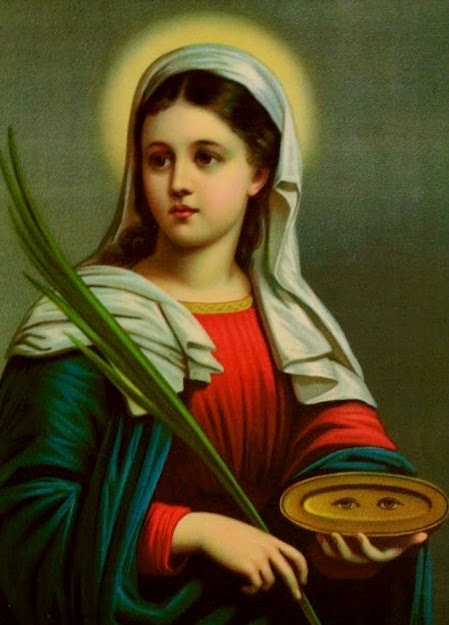
St. Lucy was martyred on December 13, 304. At her trial, the judge reportedly became enamored of her beautiful eyes, and she, to halt his passion, tore them out and sent them to him on a platter. Hence, St. Lucy - a name derived from the Latin for light, lux - is invoked as protector of the eyes.
Personal Life
Lucy’s story is told in the Acts of Martyrdom: a collection of traditions, popular tales and legends. Lucy was born at the end of the third century in Syracuse, into a wealth…
Saint Mary Magdalene
Saint Mary Magdalene (1st century AD)
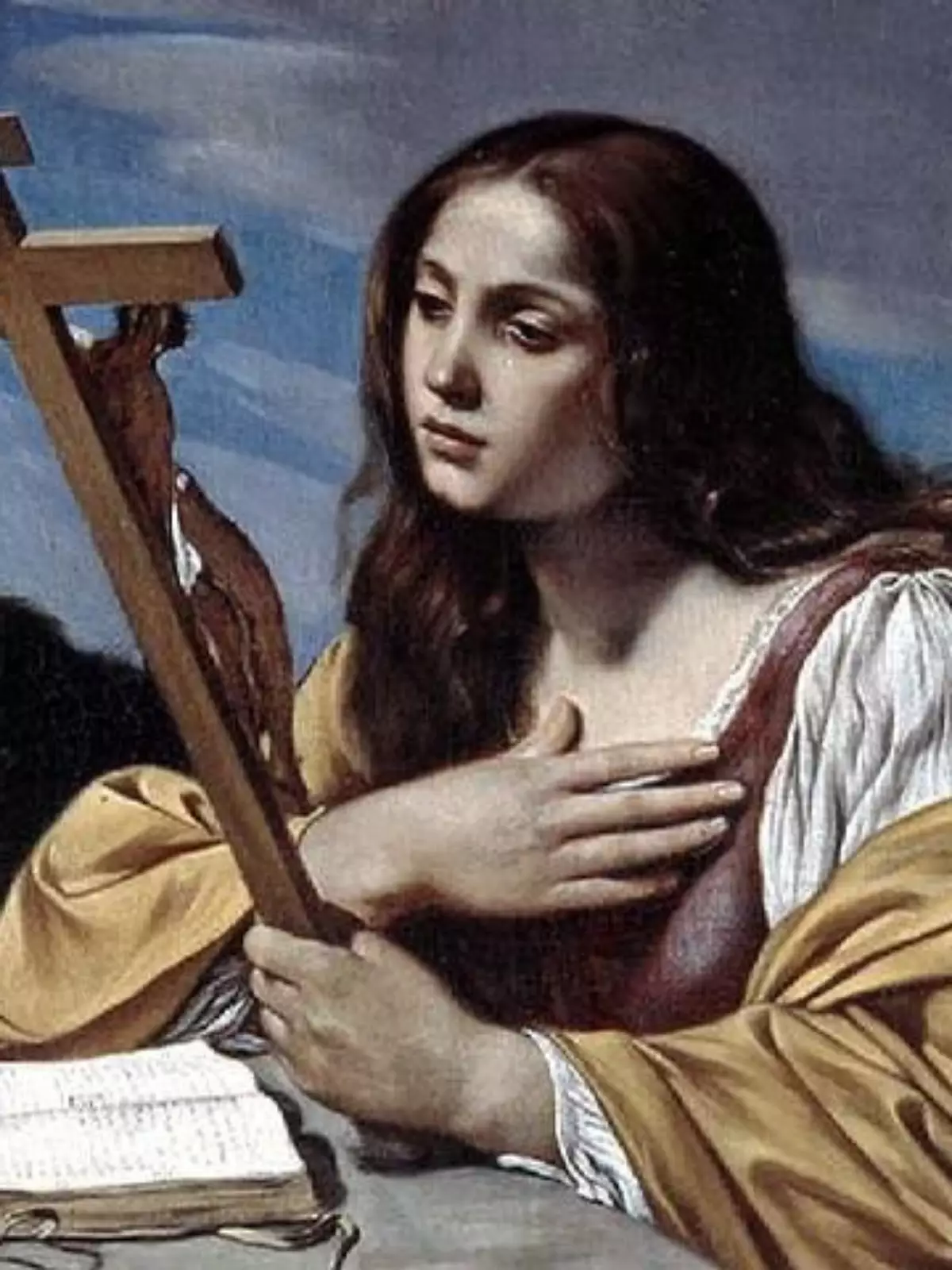
Mary Magdalene, Apostle of the Apostles, is the first of the women who followed Jesus to proclaim Him as having risen from the dead. The feast day of this saint, who stood beneath the Cross on Calvary, is celebrated on July 22nd.
Personal Life
"Apostle of the Apostles" is the title given Mary Magdalene by St Thomas Aquinas. Her name comes from her home town of Magdala, a fishing village on the western shore of Lake Tiberias. St Luke the Evangelist tells us, in Chapter 8 of his Gosp…
Saint Mary, Mother of God
Saint Mary, Mother of God (1st century BC)
Mary is the Mother of God because she is the Mother of Jesus, true God and true Man. Because of this, she more than anyone else can lead us to her Son, for no other like her knows who Jesus is, and no one knows how to relate with Him as well as she does. Mary is the Mother who, on hearing the shepherd’s words, understood immediately that the Child was not just “her Son”. “My mother and my brothers are those who hear the word of God and put it into practice” Jesus would say one day (Lk. 8:19-21)…
Saint Matthew the Apostle
Saint Matthew the Apostle (1st century AD)
From tax collector to Apostle and Evangelist: this is the arc of Saint Matthew's life. He was called Levi, which means “God's gift”. He was a contemporary of Our Lord Jesus. The Church celebrates him on September 21. Saint Matthew is the patron of bankers, accountants, and bill collectors.
Personal Life
,p>Lake Tiberias sparkled and, as usual, Matthew was there, sitting at the custom desk at Capernaum, to collect the taxes that the Jews had to pay to the Romans. He was a publican, …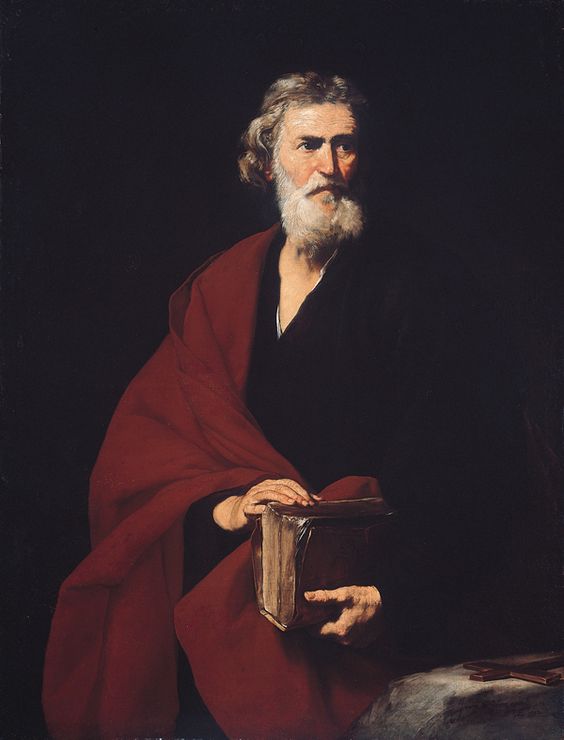
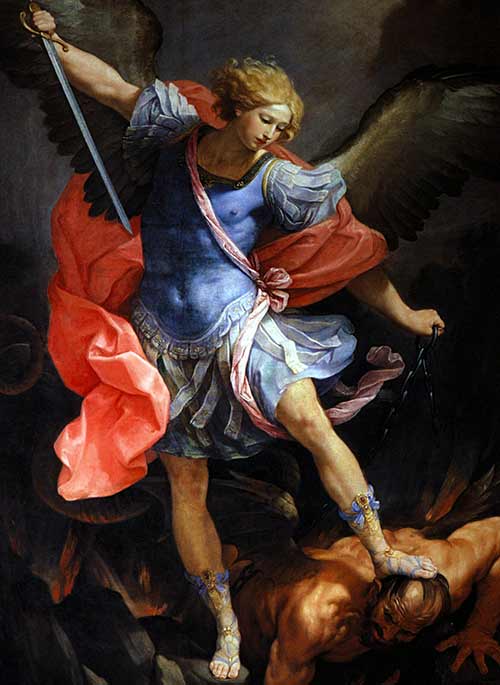
Saint Michael the Archangel
Saint Michael the Archangel
St Michael the Archangel is the Prince of the heavenly hosts, always at the head of the angelic legions as they continually battle against the forces of evil. Devotion to St Michael, whose feast is celebrated on September 29th, has universal reach.
History
" And when we pass'd a little forth, I heard a crying, 'Blessed Mary! pray for us, Michael and Peter! all ye saintly host!'", (Dante, Purgatory, Canto XII, 51)
As he passes among the souls of the envious Purgatory, the great C…
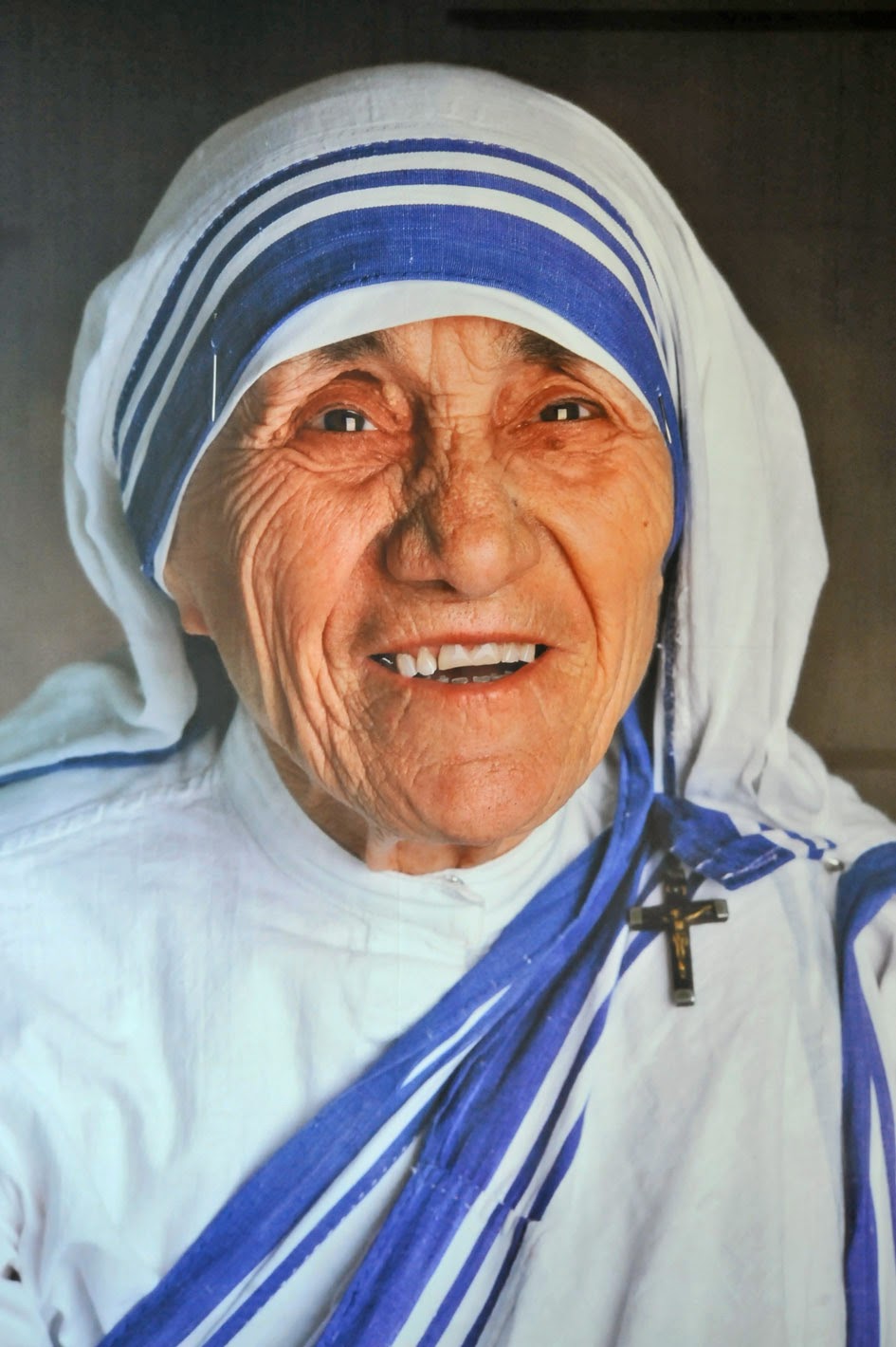
Saint Mother Teresa of Calcutta
Mother Theresa of Calcutta (1910-1997)
A witness of charity and mercy, Mother Teresa is an example for all people of the wonders that one can accomplish when one entrusts oneself totally to Christ. Founder of the Missionaries of Charity, canonized by Pope Francis, Saint Teresa is celebrated by the Church on September 5 each year.
Personal Life
“I present you the most powerful woman in the world.” It is October 26, 1985, when UN Secretary-General Pérez de Cuéllar introduces Mother Teresa of Calcutta to the United Nations…
Saint Padre Pio
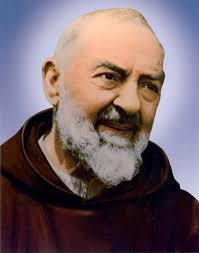
Saint Padre Pio (1887-1968)
The story of one of the most beloved saints of our times began on 25 May 1887 in the Italian village of Pietrelcina. Inspired by Saint Francis of Assisi, Francesco Forgione, known by his religious name “Padre Pio,” spent his life focused on the Passion and Cross of our Lord Jesus Christ.
Personal Life
Born into a poor Italian farm family, from a young age Francesco Forgione desired to be a friar. When he was sixteen, he entered the novitiate of the Capuchin Order, and took the name…
Saint Patrick
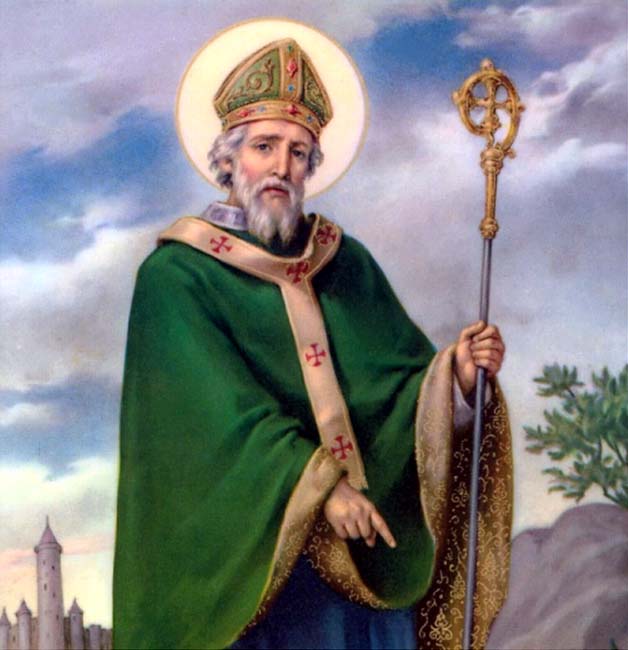
Saint Patrick (4th century - 461)
One of the most venerated saints in the world, St. Patrick, patron of Ireland, was reduced to slavery when he was a boy, but thanks to prayer, he had a genuine conversion of the heart that led him to be a holy missionary. The Church remembers him on March 17.
Personal Life
Patrick was born in Roman Britain between 385 and 392, to a Christian family. At the age of fifteen or sixteen he was kidnapped by a handful of Irish pirates who took him with them to Northern Ireland and sold hi…
Saint Paul
Saint Paul (1st century AD - 67 AD)
The Apostle to the Gentiles, St. Paul was the greatest missionary in history. A Pharisee converted to Christ, his concern for expounding the faith to those, who heard him, would make him the first Christian theologian. His martyrdom is remembered on June 29, together with that of St. Peter.
Personal Life
A Jew of Tarsus, in modern-day Turkey, Saul, a Roman citizen, educated at the Jewish school in Jerusalem, had also a good Greek-Hellenistic formation: he knew Greek and Latin. The …
Saint Peter
Saint Peter (1st century BC - 67 AD)
St. Peter (born Simon) was a Jewish fisherman, one of the Twelve Apostles, and a key leader in the early Christian Church, known as the first Pope by Catholic tradition; Jesus renamed him "Peter" (meaning "rock") and designated him the foundation of His Church.
Personal Life
His name was Simon; Jesus called him Peter. Simon was born in Bethsaida, and lived in Capernaum where was a fisherman on the Sea of Tiberias. The Teacher invited him, along with Andrew his brother, to follow Him;…
Saint Raphael the Archangel
Saint Raphael the Archangel
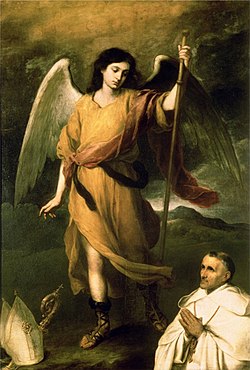
The cult of archangel Raphael can be traced back to the 11th century; his feast day is celebrated together with that of the archangels Michael and Gabriel. His name comes from the Hebrew “Rafa-El,” or “medicine of El [God],” the opposite of the name of the demon Asmodeus, “he who causes to perish.”
History
Raphael is the protagonist of an entire book of the Bible. The archangel accompanies Tobias, the young son of Tobit and Anna, when Tobit asks Tobias to carry out a delicate missi…
Saint Rita of Cascia
Saint Rita of Cascia (1381-1457)
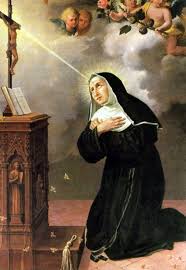
The Church remembers Saint Rita on 22 May. She is known as patroness of lost causes. First a wife and exemplary mother, then an Augustinian nun, she asked Christ to share His Passion with her, and had the sign of a thorn on her forehead. Her remains are lodged in the Basilica of Cascia.
Personal Life
Margherita Lotti - “Rita” for short - was born in the small township of Roccaporena in Umbria, probably in 1371. Her parents, poor farmers and peasants, made sure she had good schoolin…
Saints Cosmas and Damian
Saints Cosmas and Damian (3rd century - 4th century)
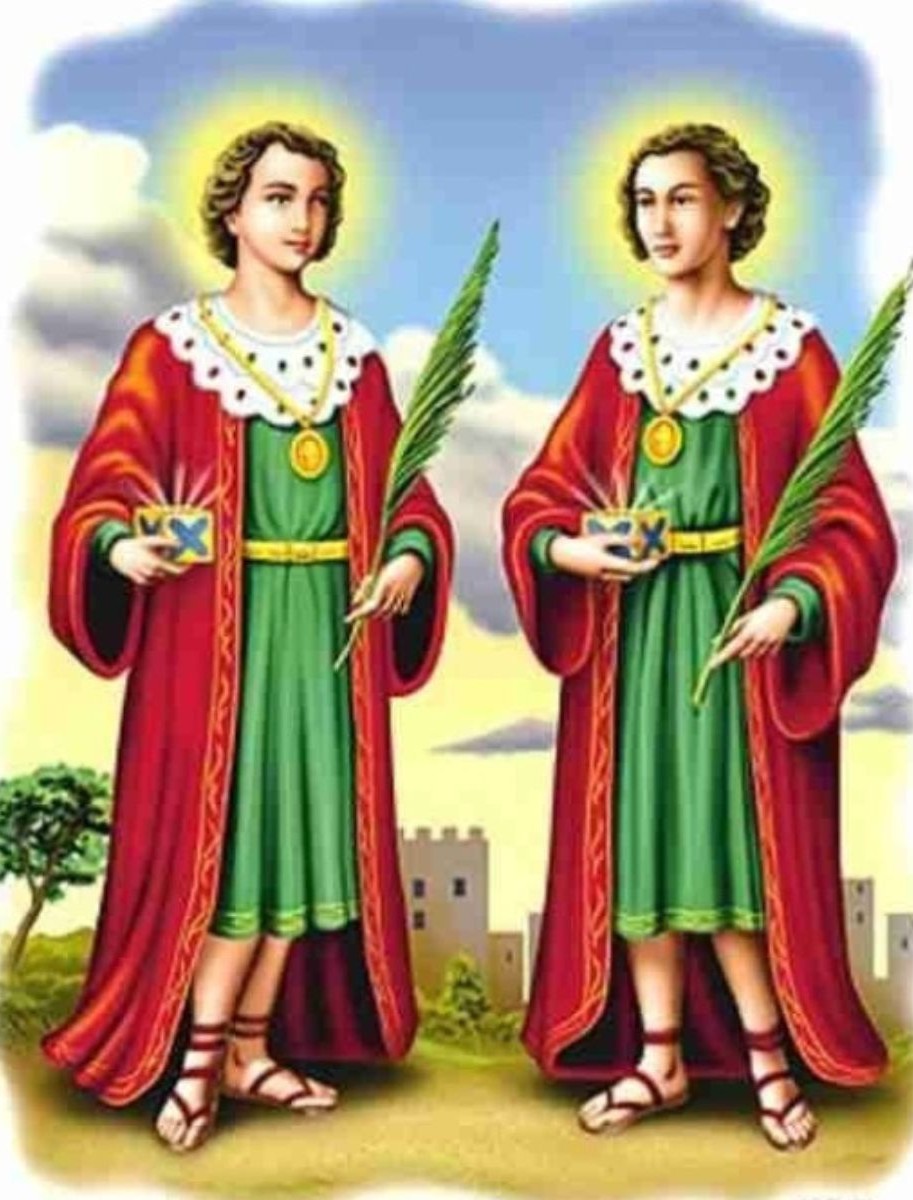
Saints Cosmas and Damian were 3rd-century Arabian twin brothers, Christian physicians, and martyrs known as "anargyroi" (the silverless ones) because they treated patients for free. As skilled doctors and surgeons who combined faith with medicine, they are venerated as the patron saints of physicians, pharmacists, and surgeons.
Personal Lives
Cosmas and Damian appear to have been natives of Cilicia [in modern day Turkey], although in their Passio (text BHG 378) there is a statement i…
Saint Sebastian
Saint Sebastian (256-288)
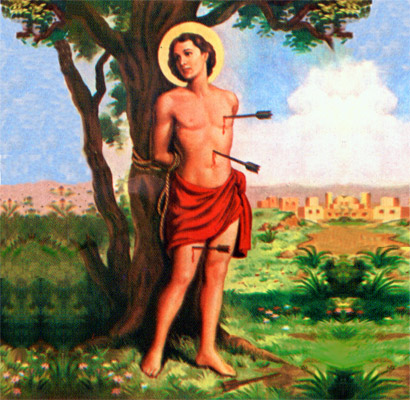
St. Sebastian (died c. 288, Rome [Italy]; feast day January 20) was an early Christian saint popularized by Renaissance painters and believed to have been martyred during the persecution of Christians by the Roman emperor Diocletian. He is a patron saint of archers and athletes and of those who desire a saintly death. He was also venerated as a protector from the bubonic plague and as a patron of plague victims.
Personal Life
Saint Sebastian was born at Narbonne, in Gaul, but his…
Saint Teresa of Avila
Saint Teresa of Avila (1515-1582)
Saint Teresa of Avila lived during the time of Martin Luther, and worked to bring significant reform to the Carmelite Order. Patroness of Catholic writers, she is celebrated on October 15, and is the first woman to be proclaimed as a Doctor of the Church, along with St. Catherine of Siena.
Personal Life
The daughter of a Jewish convert and his second wife, Saint Teresa of Avila, was born on March 28, 1515. She had a happy childhood with her brothers and cousins, and was fascinated …
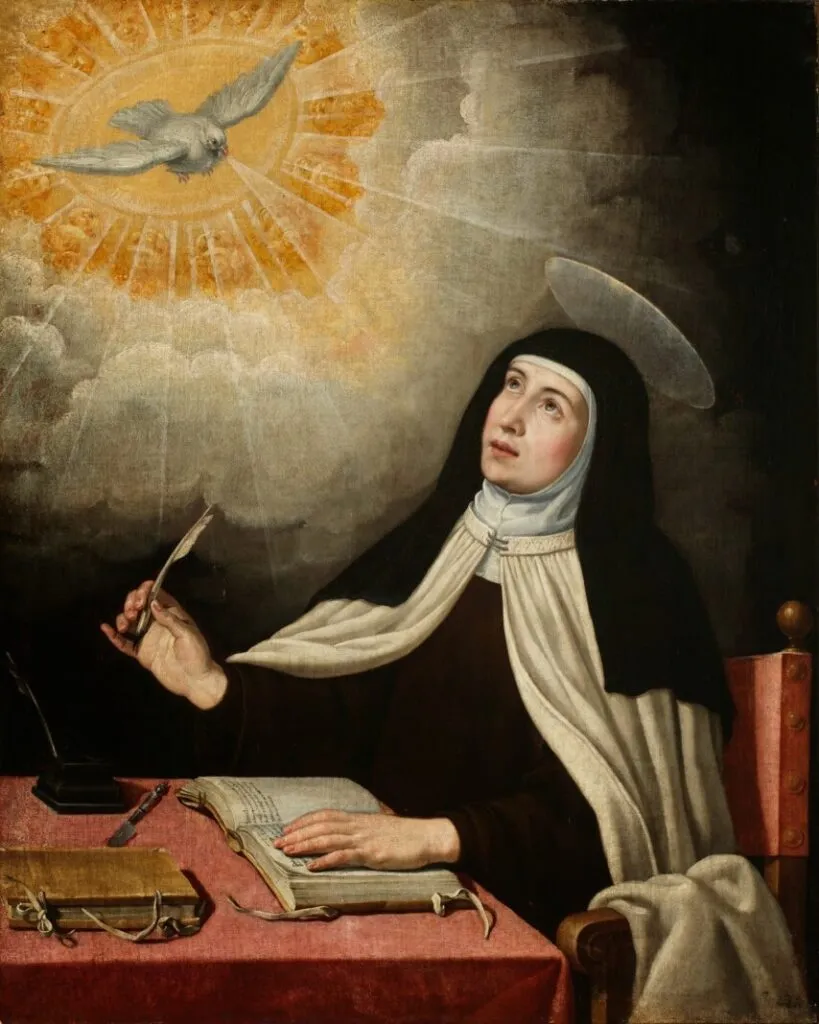
Saint Therese of the Child Jesus
Saint Therese of the Child Jesus (1873-1897)
Saint Thérèse of Lisieux, , whom the Church celebrates on October 1 of each year, is patroness of missionaries and of France. In 1997, Pope St. John Paul II proclaimed her a Doctor of the Church: only the third woman to receive the honor, after Sts. Catherine of Siena and Teresa of Avila.
Personal Life
Thérèse Françoise Marie Martin Alençon was born on January 2, 1873 to a couple of jewelers and watchmakers. They were deeply devout believers, “Worthy more of heaven than of Earth,” …
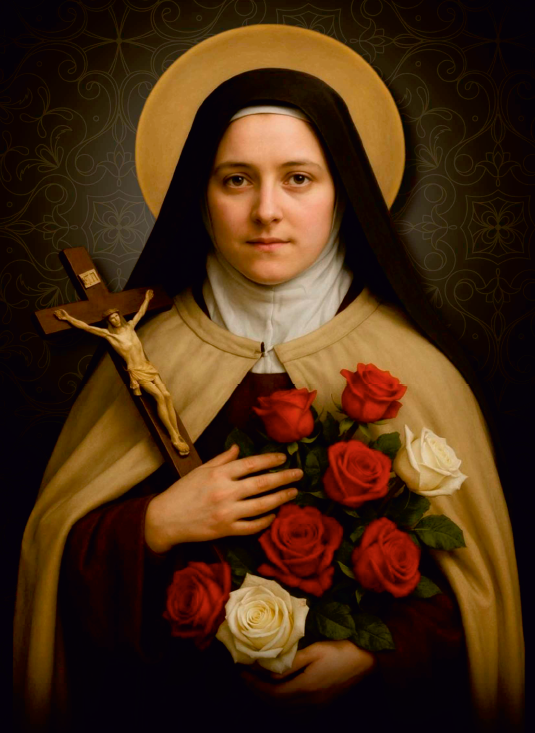
Saint Thomas Aquinas
Saint Thomas Aquinas (1225-1274)
St. Thomas Aquinas (c. 1225–1274) was an Italian Dominican friar, philosopher, and theologian, considered one of history's most influential thinkers, known for synthesizing Aristotelian philosophy with Christian doctrine, bridging faith and reason, and authoring major works like the Summa Theologiae, becoming a saint and Doctor of the Church, and patron of Catholic education.
Personal Life
Thomas was born between 1224 and 1225 in the castle that his wealthy noble family owned at Roc…
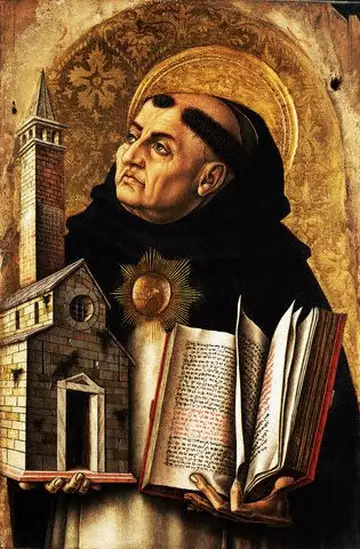
St. Jerome
St. Jerome (347-420)
St. Jerome was a Roman Christian priest, theologian, and historian best known for translating the Bible into Latin, known as the Vulgate
Personal Life
In his Apostolic Letter Scripturae Sacrae affectus, on 30 September 2020 on the 16th centenary of the death of Saint Jerome, Pope Francis wrote: “The distinctive feature of Saint Jerome’s spirituality was undoubtedly his passionate love for the word of God entrusted to the Church in sacred Scripture. All the Doctors of the Church – par…
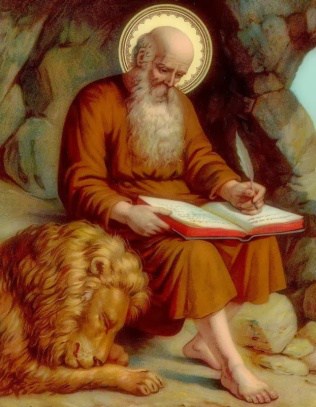
St. John of the Cross
St. John of the Cross (1542-1591)
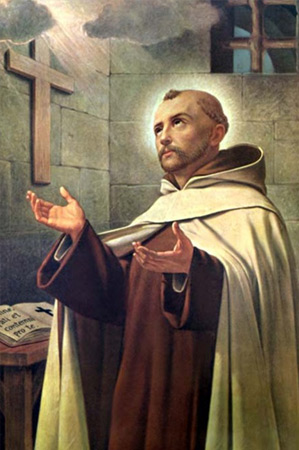
Saint John of the Cross was a 16th century Spanish theologian and mystic. Together with Saint Teresa of Jesus, he reformed the Carmelite Order. He was proclaimed Doctor of the Church by Pope Pius XI in 1926 and, traditionally, is nicknamed the "Mystic Doctor". His feast-day falls on December 14th.
Personal Life
A religious vocation and the call to the Carmelite charism were clearly manifest in the life of St John. He was born Juan de Yepes Álvarez, the son of poor parents from Cast…